
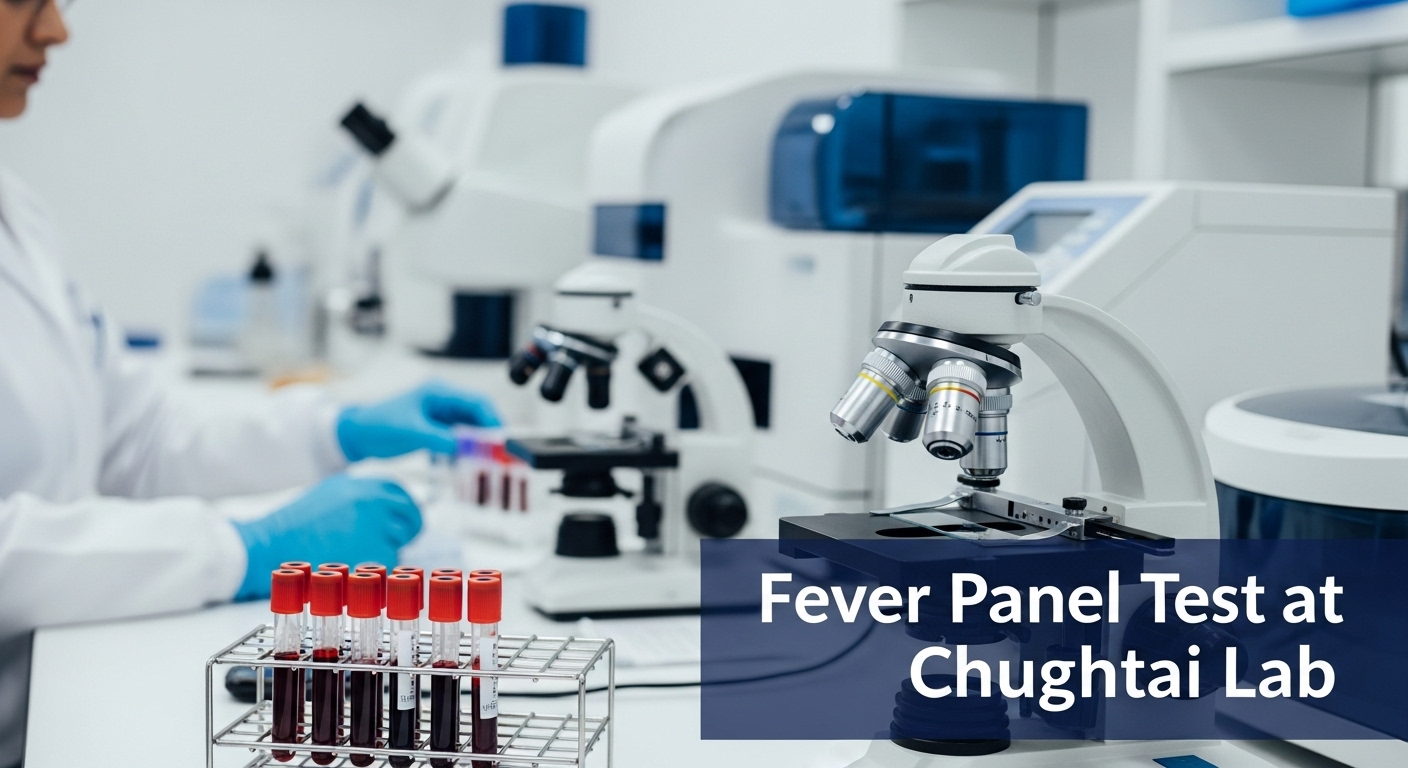
Fever is one of the most common symptoms that can indicate a range of health issues, from minor viral infections to serious bacterial or parasitic diseases. Accurate diagnosis is crucial to ensure timely treatment and avoid complications. Chughtai Lab, a leading diagnostic center in Pakistan, offers the Fever Panel Profile test to help patients and doctors detect the underlying cause of fever efficiently. With advanced laboratory equipment and experienced staff, Chughtai Lab ensures precise and reliable results for every patient.
The Fever Panel Profile is particularly useful for individuals experiencing prolonged or unexplained fever, recurrent infections, or symptoms associated with tropical diseases. By analyzing multiple markers, this comprehensive test provides doctors with a clear understanding of your health status, enabling faster diagnosis and better treatment plans. Whether you are seeking a routine health check or have been advised by your doctor to undergo this test, Chughtai Lab is a trusted choice for accurate fever-related diagnostics in Pakistan.
What is Fever Panel Profile?
The Fever Panel Profile is a diagnostic blood test designed to detect infections and inflammatory conditions that may be causing fever. This test typically includes multiple markers to identify bacterial, viral, and sometimes parasitic infections.
Key Features of the Test:
- Measures various infection-related parameters.
- Helps identify the cause of persistent or high-grade fever.
- Aids doctors in differentiating between viral and bacterial infections.
When is it Recommended?
Doctors recommend the Fever Panel Profile in the following scenarios:
- Unexplained or prolonged fever.
- Symptoms such as fatigue, body aches, chills, or night sweats.
- Recent travel to areas with endemic infectious diseases.
- During routine health screenings in cases of repeated infections.
By providing comprehensive insights, this test assists healthcare professionals in making informed treatment decisions.
Why is Fever Panel Profile Important?
The Fever Panel Profile is important because fever can be a symptom of various underlying medical conditions, ranging from mild viral infections to serious diseases such as malaria, dengue, or typhoid. Early detection is essential to prevent complications, particularly in vulnerable populations such as children, the elderly, or immunocompromised individuals.
Key reasons to consider this test include:
- Accurate identification of infection type (viral vs bacterial).
- Monitoring response to treatment for ongoing infections.
- Reducing unnecessary use of antibiotics.
- Supporting preventive health measures by detecting potential infections early.
With reliable results from Chughtai Lab, patients can gain peace of mind and timely medical guidance.
When Should You Get a Fever Panel Profile?
A Fever Panel Profile should be considered under the following conditions:
- Persistent Fever: If your fever lasts more than 3–5 days without improvement.
- Recurrent Fever Episodes: For repeated unexplained fevers, this test helps identify recurring infections.
- Travel-Related Health Concerns: After visiting regions prone to infectious diseases.
- Doctor’s Recommendation: If your physician suspects infections like malaria, dengue, typhoid, or other viral/bacterial conditions.
Early testing not only helps diagnose the illness but also guides proper treatment, potentially avoiding hospitalization.
How to Prepare for Fever Panel Profile?
Preparation for the Fever Panel Profile is straightforward and patient-friendly. Following these steps ensures accurate results:
- Fasting Requirements: Most fever panel tests do not require fasting. However, follow your doctor’s instructions.
- Medications: Inform your doctor about ongoing medications, as some antibiotics or anti-inflammatory drugs may affect results.
- Hydration: Drink plenty of water before the test to make blood sampling easier.
- Rest: Avoid strenuous activity before the test to reduce stress-related changes in blood markers.
- Avoid Alcohol: Refrain from alcohol 24 hours prior, as it may influence liver and infection-related markers.
By following these steps, patients help ensure accurate and reliable laboratory results.
How is the Fever Panel Profile Performed at Chughtai Lab?
The Fever Panel Profile is a simple blood test performed under strict hygiene and professional standards.
Step-by-Step Procedure:
- Sample Collection: A small blood sample is drawn from the vein, usually in the arm, using sterile equipment.
- Laboratory Analysis: The blood sample is analyzed using advanced diagnostic instruments to measure markers associated with infections and inflammation.
- Report Generation: Results are compiled in a detailed report, indicating normal or abnormal levels for each parameter.
- Privacy & Accuracy: Chughtai Lab ensures patient privacy during sampling and employs quality control measures to maintain result accuracy.
Patients can expect a comfortable and professional experience throughout the testing process.
Fever Panel Profile Report & Normal Values
The Fever Panel Profile report includes several key markers that help your doctor evaluate the cause of fever. Below is a table of typical normal values:
| Marker | Normal Range |
| White Blood Cells (WBC) | 4,000 – 11,000 /µL |
| Neutrophils | 40 – 60% |
| Lymphocytes | 20 – 40% |
| C-Reactive Protein (CRP) | <10 mg/L |
| Erythrocyte Sedimentation Rate (ESR) | 0 – 20 mm/hr (men), 0 – 30 mm/hr (women) |
| Platelets | 150,000 – 450,000 /µL |
Interpreting Results:
- High WBC or CRP: May indicate bacterial infection or inflammation.
- Low WBC: Could signal viral infection or immunodeficiency.
- Abnormal ESR: Often associated with inflammation or chronic disease.
It is important to remember that only a qualified physician can diagnose the cause of abnormal results and recommend appropriate treatment.
Understanding Abnormal Results
Abnormal values in a Fever Panel Profile can suggest various conditions, such as:
- Bacterial Infections: Elevated WBC and neutrophils.
- Viral Infections: Lymphocyte predominance and mild WBC changes.
- Inflammatory Diseases: High CRP and ESR levels.
- Blood Disorders: Abnormal platelet counts may indicate hematological issues.
If your results are outside the normal range, follow-up testing or consultation with your doctor is crucial. Early medical intervention ensures effective treatment and prevents complications.
Fever Panel Profile Cost at Chughtai Lab
The Fever Panel Profile cost at Chughtai Lab is Rs. 17,600 PKR. This cost includes laboratory testing, professional analysis, and a detailed report.
For patient convenience, Chughtai Lab offers online booking, allowing you to schedule your test without visiting the lab. Simply select your preferred branch, choose a convenient time, and complete your test efficiently.
Repeating the Fever Panel Profile cost at Chughtai Lab helps patients compare prices and plan their medical expenses accurately.
Chughtai Lab Fever Panel Profile Price in Pakistan
The Chughtai Lab Fever Panel Profile Price in Pakistan is Rs. 17,600 PKR. Patients can easily book their test online through All Lab Tests and visit the nearest Chughtai Lab branch for sample collection.
By providing transparent pricing and convenient booking options, Chughtai Lab ensures access to high-quality diagnostics for everyone across Pakistan.
Where to Book Fever Panel Profile in Pakistan
Looking for “Fever Panel Profile near me”? You can compare Fever Panel Profile cost in Pakistan, check Chughtai Lab test charges 2026, and select the best diagnostic center through All Lab Tests.
With multiple branches across major cities, Chughtai Lab offers easy access to advanced diagnostics without compromising quality or accuracy.
Book Your Fever Panel Profile at Chughtai Lab
Book your Fever Panel Profile today through All Lab Tests and get accurate results from a trusted diagnostic center in Pakistan. Enjoy convenient online booking, professional sample collection, and detailed reports analyzed by experts.
Whether you are experiencing prolonged fever or require a routine health check, Chughtai Lab ensures reliable diagnostics to guide your treatment decisions effectively.