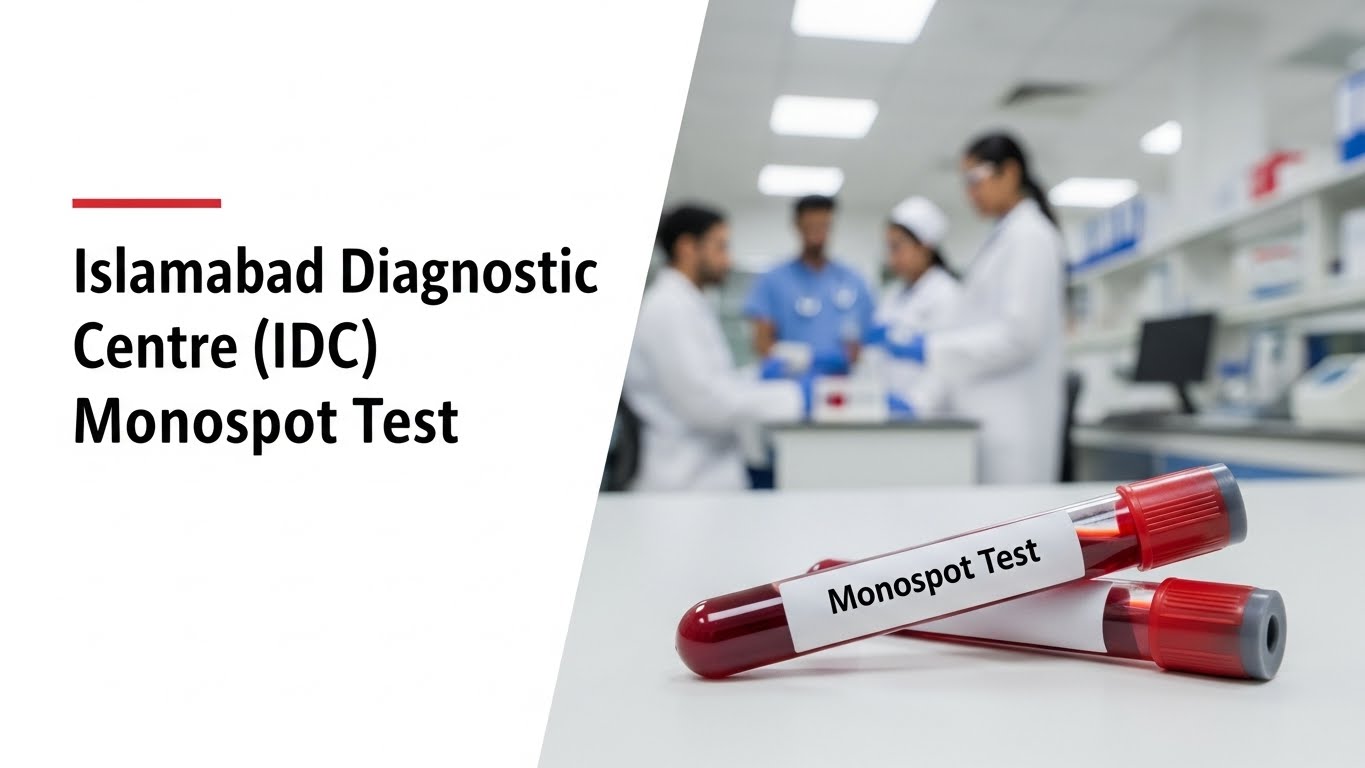
The Monospot test is a commonly recommended diagnostic blood test used to detect infectious mononucleosis, also known as “mono” or the kissing disease. This illness is most often caused by the Epstein-Barr Virus (EBV) and typically affects teenagers, young adults, and individuals with weakened immune systems. Symptoms such as prolonged fever, sore throat, extreme fatigue, swollen lymph nodes, and enlarged spleen often prompt doctors to recommend this test.
In Pakistan, the Islamabad Diagnostic Centre (IDC) is one of the most trusted names in laboratory diagnostics, known for accurate testing, qualified staff, and reliable reporting standards. The Mono testat Islamabad Diagnostic Centre (IDC) is performed using modern laboratory techniques to ensure dependable and timely results.
Whether you are experiencing persistent flu-like symptoms or your doctor suspects infectious mononucleosis, getting tested at a reputable lab is essential. This detailed guide covers everything you need to know about the IDC Mono test, including its purpose, preparation, procedure, report interpretation, and most importantly, the Monospot test price at IDC, so you can make an informed decision with confidence.
What is the Monospot Test?
The Monospot test is a blood test that detects heterophile antibodies produced by the body in response to an Epstein-Barr virus infection. These antibodies are not normally present in the blood and usually appear during an active EBV infection.
What does the test detect?
-
Heterophile antibodies associated with infectious mononucleosis
-
Indirect evidence of Epstein-Barr virus (EBV) infection
When do doctors recommend it?
Doctors usually advise a Monospot test when a patient shows classic symptoms of mono, such as:
-
Persistent fever
-
Severe sore throat
-
Swollen tonsils
-
Enlarged lymph nodes (especially in the neck)
-
Extreme fatigue lasting weeks
Medical uses
The Monospot test helps:
-
Confirm suspected infectious mononucleosis
-
Differentiate mono from other infections like flu or strep throat
-
Guide further testing if results are unclear
Why is the Monospot Test Important?
The Monospot test plays an important role in early and accurate diagnosis of infectious mononucleosis. Many symptoms of mono overlap with common viral or bacterial infections, which can delay proper treatment if not diagnosed correctly.
Why this test matters:
-
Helps avoid unnecessary antibiotics (mono is viral, not bacterial)
-
Confirms EBV-related illness quickly
-
Prevents complications such as spleen enlargement or liver involvement
Health insights for patients:
Early diagnosis allows doctors to advise proper rest, activity restriction, and monitoring. For example, patients with mono are often advised to avoid contact sports to reduce the risk of spleen rupture. Testing at a reliable lab like IDC Pakistan ensures trustworthy results that doctors can confidently rely on.
When Should You Get a Monospot Test?
You should consider getting a Monospot test at Islamabad Diagnostic Centre (IDC) if your doctor suspects infectious mononucleosis or if symptoms persist longer than expected.
Common situations when the test is needed:
-
Fever and sore throat lasting more than 7-10 days
-
Severe fatigue not improving with rest
-
Swollen lymph nodes or tonsils
-
An enlarged spleen was detected during the physical exam
-
Follow-up testing after abnormal blood counts
The test is useful both for initial diagnosis and for ruling out mono when symptoms mimic other conditions.
How to Prepare for the Monospot Test?
One of the advantages of the Monospot test is that it requires minimal preparation, making it convenient for patients.
Preparation guidelines:
-
Fasting: Not required
-
Medications: Inform your doctor about any medicines you are taking
-
Hydration: Drink water before your blood sample
-
Rest: Try to be well-rested before the test
Always follow your doctor’s instructions, especially if the Monospot test is being done along with other blood tests.
How is the Monospot Test Performed at Islamabad Diagnostic Centre (IDC)?
At Islamabad Diagnostic Centre (IDC), patient comfort, privacy, and accuracy are top priorities.
Sample type:
-
Blood sample (usually from a vein in the arm)
Step-by-step process:
-
Patient registration at the IDC reception
-
A trained phlebotomist cleans the area
-
Blood is drawn using sterile equipment
-
The sample is labeled and sent to the lab
-
Analysis is performed using standardized methods
IDC follows strict quality control protocols, ensuring safe handling and accurate testing. The entire blood collection process usually takes just a few minutes.
Monospot Test Report & Normal Values
The IDC Monospot test report is usually straightforward to understand.
Normal Values Table
| Test Result | Interpretation |
|---|---|
| Negative | No heterophile antibodies detected |
| Positive | Suggestive of infectious mononucleosis |
How results are interpreted:
-
Negative result: May indicate no EBV infection or very early-stage infection
-
Positive result: Strongly suggests infectious mononucleosis
Important: A negative result does not always rule out mono, especially in early infection. Only a doctor can interpret the result in the context of symptoms and other tests.
Understanding Abnormal Results
A positive Monospot test may indicate:
-
Active Epstein-Barr virus infection
-
Infectious mononucleosis
Possible reasons for false results:
-
Early testing before antibodies develop
-
Young children may not produce detectable antibodies
-
Rare cross-reactions with other conditions
Next steps:
Doctors may recommend:
-
EBV-specific antibody tests
-
Complete blood count (CBC)
-
Liver function tests
Follow-up with your physician is essential for proper diagnosis and management.
How to Manage Mono Symptoms Naturally
While there is no specific cure for mono, supportive care helps with recovery.
Helpful tips:
-
Get plenty of rest
-
Stay hydrated
-
Eat a balanced, nutritious diet
-
Avoid strenuous activity and sports
-
Take medications only as prescribed
These lifestyle measures support your immune system while your body fights the infection.
Monospot Test Cost at Islamabad Diagnostic Centre (IDC)
The Monospot test cost at Islamabad Diagnostic Centre (IDC) is Rs. 2200. This affordable price makes it accessible for patients seeking a reliable diagnosis. You can conveniently book the test online and visit your nearest IDC branch for sample collection. The IDC Monospot test price of Rs. 2200 includes professional sampling and accurate lab analysis.
Islamabad Diagnostic Centre Monospot Test Price in Pakistan 🇵🇰
The Islamabad Diagnostic Centre Monospot test price in Pakistan is Rs. 2200. Compared to many other labs, IDC offers competitive pricing while maintaining high-quality diagnostic standards.
Through All Lab Tests, you can easily check IDC test charges 2026, compare prices, and book your test without hassle.
Where to Book Monospot Test in Pakistan?
Looking for “Monospot test near me”? You can compare Monospot test cost in Pakistan, view Islamabad Diagnostic Centre test charges, and select the best lab through All Lab Tests.
Booking through an online platform saves time and ensures transparent pricing, especially for patients in Islamabad and other major cities.
Book Your Monospot Test at Islamabad Diagnostic Centre (IDC)
Book your Monospot test at Islamabad Diagnostic Centre (IDC) today through All Lab Tests and get accurate, reliable results from one of Pakistan’s most trusted diagnostic labs.
Enjoy:
-
Easy online booking
-
Affordable price (Rs. 2200)
-
Professional sample collection
-
Fast and accurate reports