
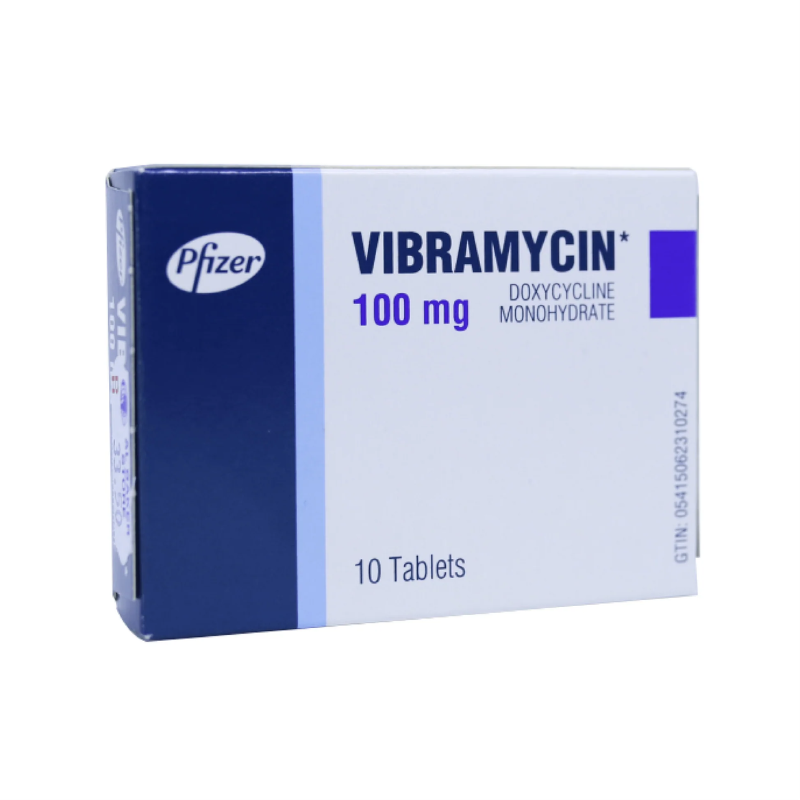
Vibramycin is a brand of doxycycline, a broad-spectrum antibiotic used to treat a wide range of bacterial infections. Doctors in Pakistan prescribe Vibramycin for respiratory, skin, urinary, and sexually transmitted infections when the causative bacteria are sensitive to doxycycline. It remains important because it covers multiple infection types and is often effective when first-line antibiotics are not suitable.
Vibramycin Price in Pakistan
The vibramycin price in Pakistan is not fixed and may vary depending on the pharmacy, city, pack size (for example, 100 mg tablets in a strip of 10), and updates issued by the Drug Regulatory Authority of Pakistan (DRAP). Because medicine prices can change over time, patients are advised to check the latest price from a reliable and verified pharmacy before purchasing.
If you are searching online for the current vibramycin price in Pakistan, make sure the source reflects recent DRAP notifications and clearly mentions the dosage strength and pack quantity. Always confirm availability and price at the time of purchase to avoid confusion.
Composition & Ingredients of Vibramycin
Vibramycin contains doxycycline as its active ingredient, usually in the form of doxycycline hyclate. It belongs to the tetracycline class of antibiotics and is formulated to provide consistent blood levels when taken as prescribed. The tablet form is commonly available in 100 mg strength in Pakistan.
Doxycycline (as Hyclate)
Doxycycline is a broad-spectrum antibiotic that works against many gram-positive and gram-negative bacteria. After absorption, it distributes widely into body tissues and binds to bacterial ribosomes to stop protein production. When bacteria cannot produce essential proteins, they are unable to grow and multiply, which helps the immune system clear the infection. Because of its reliable absorption and long half-life, doxycycline is often preferred for infections requiring sustained antibacterial activity.
How Vibramycin Works
Vibramycin is taken orally and absorbed through the gastrointestinal tract into the bloodstream. Unlike injectable antibiotics, it does not bypass the gut, but it is known for good oral bioavailability, meaning most of the active drug reaches systemic circulation when taken correctly. Taking it with a full glass of water and avoiding lying down immediately afterward helps reduce irritation of the esophagus.
Once in circulation, doxycycline enters bacterial cells and binds to the 30S ribosomal subunit. This action blocks the addition of amino acids to the growing protein chain, effectively inhibiting protein synthesis. Without essential proteins, bacteria cannot survive or replicate. Importantly, human cells are less affected at therapeutic doses because they lack the same active transport mechanism found in bacteria.
Patients usually notice improvement in symptoms such as fever, cough, pain during urination, or skin inflammation within a few days. However, the exact timeline depends on the severity of the infection and the patient’s overall health. It is essential to complete the full prescribed course of vibramycin, even if symptoms improve early, to prevent antibiotic resistance.
Uses & Indications – Who Should Use Vibramycin?
Vibramycin is indicated for bacterial infections confirmed or strongly suspected to be caused by susceptible organisms. It is not effective against viral infections such as the common cold or flu. Doctors select this antibiotic based on clinical assessment, laboratory findings, and local resistance patterns.
Common indications include:
- Respiratory tract infections, Such as bronchitis, pneumonia, and sinusitis, where doxycycline can target the responsible bacteria.
- Urinary tract infections: Including cystitis and urethritis when bacteria are sensitive to tetracyclines.
- Skin and soft tissue infections: It is often prescribed for acne and other bacterial skin conditions due to its anti-inflammatory and antibacterial effects.
- Sexually transmitted infections (STIs): Such as chlamydia, gonorrhea (in specific regimens), and syphilis in selected cases under medical supervision.
- Rickettsial infections: Including Q fever and infections transmitted by ticks or lice, where doxycycline is considered a treatment of choice.
- Malaria prophylaxis and treatment support: In areas where chloroquine resistance is reported, as advised by a physician.
Vibramycin is a prescription medicine, and the exact diagnosis and need for antibiotic therapy must be confirmed by a qualified doctor.
Dosage & Administration
The dosage of vibramycin is always determined by a physician based on the type of infection, its severity, the patient’s age, and body weight. Self-medication or altering the dose without medical advice can reduce effectiveness and increase the risk of resistance.
Standard Adult Dosage
For many infections, adults are prescribed 100 mg every 12 hours on the first day, followed by 100 mg once daily or 50 mg every 12 hours. In more severe infections, 100 mg every 12 hours may be continued throughout the course. The total duration typically ranges from 7 to 14 days, depending on the condition being treated.
Route of Administration
Vibramycin is usually administered orally in tablet form. It should be taken with plenty of water to reduce the risk of throat irritation. Patients should avoid lying down for at least 30 minutes after taking the tablet to prevent esophageal discomfort. Only a healthcare professional should adjust the dose or duration.
Dosage for Special Populations
In children over 8 years of age, dosing is calculated based on body weight. It is generally not recommended for children under 8 due to the risk of tooth discoloration and effects on bone growth.
In elderly patients, standard adult doses are often used, but kidney and liver function should be considered. During pregnancy, doxycycline is usually avoided because it may affect fetal bone and tooth development. Patients with liver impairment require careful monitoring, and dose adjustments may be necessary.
Side Effects of Vibramycin
Vibramycin is generally well-tolerated when taken as prescribed, but like all medicines, it can cause side effects. Most reactions are mild and temporary, especially when the dosage instructions are followed carefully.
Common Side Effects
The following effects are reported more frequently:
- Nausea and vomiting: These may occur, especially if the tablet is taken on an empty stomach.
- Diarrhea: Mild gastrointestinal upset can happen due to changes in gut flora.
- Photosensitivity: Increased sensitivity to sunlight may cause rash or sunburn; patients should use sun protection.
- Headache: Some individuals report mild headaches during treatment.
Less Common & Rare Side Effects
Although uncommon, the following reactions may occur:
- Severe allergic reactions: Such as rash, swelling, or difficulty breathing, which require immediate medical attention.
- Increased intracranial pressure: Symptoms include severe headache and visual disturbances.
- Liver function abnormalities: Rare cases may show changes in liver enzyme levels.
- Blood disorders: Such as unusual bruising or persistent fatigue.
If any severe or persistent symptom appears while using Vibramycin, the patient should stop the medication and seek medical advice promptly.
Precautions & Warnings
Careful evaluation of medical history is important before starting Vibramycin to minimize risks and ensure safe use.
Drug Interactions
Vibramycin can interact with several medicines. Antacids containing aluminum, calcium, or magnesium may reduce its absorption. Blood thinners such as warfarin may have enhanced effects, increasing bleeding risk. Certain anti-epileptic drugs like phenytoin and carbamazepine can lower doxycycline levels. Patients should inform their doctor about all prescription, over-the-counter, and herbal products they are taking.
Pregnancy & Breastfeeding
Doxycycline is generally avoided during pregnancy because it may affect the developing fetus, particularly bone and tooth formation. In breastfeeding mothers, small amounts may pass into breast milk, so medical advice is essential before use. A doctor will weigh the potential benefits against the risks.
Allergy & Hypersensitivity
Patients with a known allergy to doxycycline or other tetracycline antibiotics should not use Vibramycin. Signs of hypersensitivity include rash, itching, swelling, and difficulty breathing. Immediate medical attention is required if these occur.
Special Medical Conditions
People with liver disease should use Vibramycin cautiously, as the drug is metabolized in the liver. Those with systemic lupus erythematosus (SLE) may experience worsening of symptoms. Patients with myasthenia gravis should also inform their doctor before starting treatment.
Storage & Handling
Store vibramycin at room temperature, generally between 20°C and 25°C, away from direct sunlight and moisture. Keep the tablets in their original blister pack until use to protect them from humidity. Do not use the medicine after the expiry date, and dispose of unused or expired tablets safely according to local pharmacy guidance.
Buy Now / Where to Get Vibramycin
Vibramycin is an effective option for treating multiple bacterial infections when prescribed appropriately. Before purchasing, always check the latest vibramycin price in Pakistan from a trusted and updated source, as prices may change over time. You can confirm availability and current pricing through reliable platforms such as All Lab Tests and other verified pharmacies.
FAQs
1. What is the current vibramycin price in Pakistan?
The vibramycin price in Pakistan varies by pharmacy, city, and pack size. It is best to check a verified pharmacy or an updated online medical platform for the most recent price.
2. Can I use Vibramycin without a prescription?
No, Vibramycin is a prescription antibiotic. It should only be used after a doctor confirms that a bacterial infection is present and that doxycycline is appropriate.
3. How long does Vibramycin take to work?
Most patients notice symptom improvement within 2-3 days. However, the full course must be completed as prescribed to ensure complete eradication of the infection.
4. Is Vibramycin effective for acne treatment?
Yes, doctors often prescribe Vibramycin for moderate to severe acne due to its antibacterial and anti-inflammatory properties. Treatment duration may be longer than for other infections.
5. Can Vibramycin be used during pregnancy?
It is generally avoided during pregnancy because of potential risks to the developing baby. Always consult a qualified healthcare provider before use.
6. What should I avoid while taking Vibramycin?
Avoid excessive sunlight exposure due to photosensitivity risk, and do not take antacids or iron supplements at the same time as the tablet without medical advice.
7. How should I store Vibramycin at home?
Keep it at room temperature, away from heat and moisture, and out of reach of children. Do not use expired tablets, and ask your pharmacist about safe disposal options.


Reviews
There are no reviews yet.