
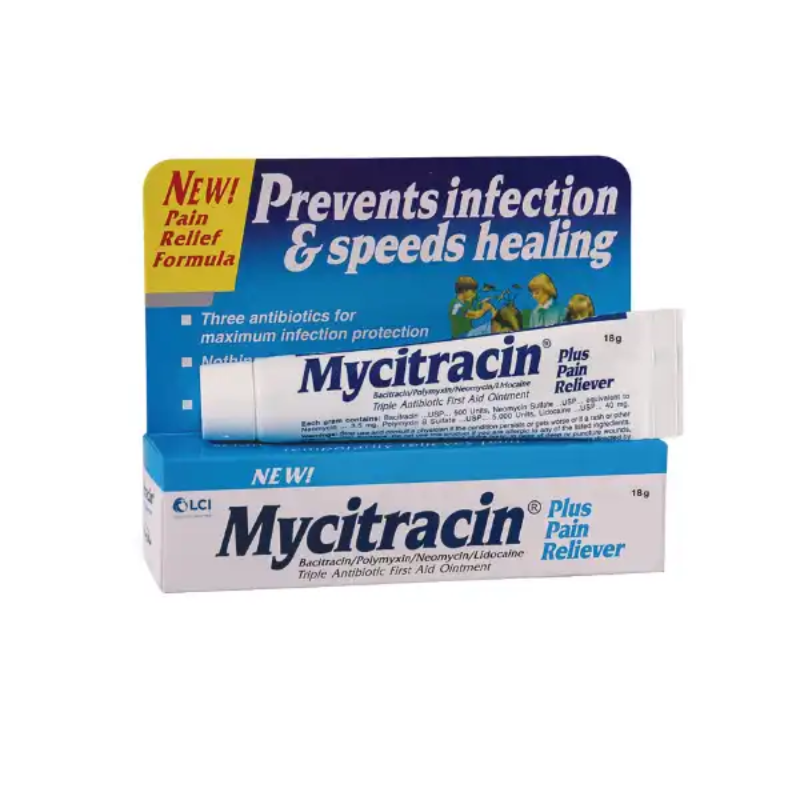
Mycitracin is a topical antibiotic ointment used to prevent infection in minor skin injuries such as cuts, burns, and scrapes. Doctors and pharmacists in Pakistan commonly recommend mycitracin cream or ointment for first-aid treatment when the skin barrier is damaged. It matters because early antibacterial protection can reduce the risk of infection and support faster healing of small wounds.
Mycitracin Price in Pakistan
The Mycitracin cream price in Pakistan can vary depending on several factors such as the pharmacy location, the size of the tube, and supplier pricing. Drug prices may also change periodically due to regulatory updates and distribution costs. Because of these variations, it is best not to rely on a single fixed price when searching for mycitracin cream price online.
Different pharmacies and medical stores may list slightly different prices for the mycitracin tube, especially in large cities where supply chains and demand vary. Online pharmacies may also update their listings regularly as stock changes. For the most accurate information about the mycitracin cream price in Pakistan, it is recommended to check the latest price through a verified medical platform or trusted pharmacy before purchasing.
Composition & Ingredients of Mycitracin
Mycitracin is formulated as a topical antibacterial ointment designed to protect injured skin from bacterial infection while also reducing pain at the site of the wound. The product combines multiple antibiotics with a mild anesthetic agent in a petrolatum base, which helps keep the wound moist and supports natural healing. This combination approach allows mycitracin ointment to target a broad range of bacteria that commonly infect minor cuts and burns.
Bacitracin
Bacitracin is a topical antibiotic that works by interfering with the bacterial cell wall formation. By preventing bacteria from building protective cell walls, it stops them from multiplying on the surface of the skin. In mycitracin cream, bacitracin plays a key role in preventing infection in minor wounds and abrasions. It is particularly effective against many gram-positive bacteria that commonly infect skin injuries.
Neomycin
Neomycin is an aminoglycoside antibiotic that acts by disrupting bacterial protein synthesis. When bacteria cannot produce essential proteins, they cannot survive or reproduce. In mycitracin ointment, neomycin expands the antibacterial coverage to include additional types of bacteria that may contaminate open skin. This helps ensure the wound remains protected during the early stages of healing.
Polymyxin B Sulphate
Polymyxin B sulphate targets gram-negative bacteria by damaging their cell membranes. Once the membrane integrity is compromised, bacterial cells lose essential nutrients and die. Including polymyxin B in mycitracin plus formulations broadens the antibacterial spectrum. This combination helps cover both gram-positive and gram-negative bacteria that can infect minor injuries.
Lidocaine
Lidocaine is a local anesthetic that temporarily numbs the affected area. It works by blocking nerve signals responsible for pain sensation. In mycitracin cream uses, lidocaine provides short-term pain relief for small cuts, scratches, or burns. This can make the wound more comfortable while the antibacterial components work to prevent infection.
How Mycitracin Works
When mycitracin ointment is applied to a minor wound, it forms a protective barrier over the affected area. The petrolatum base keeps the wound moist and prevents external contaminants from entering the skin. At the same time, the antibiotic ingredients begin working directly on the surface where bacteria are most likely to multiply.
Each antibiotic in the formulation targets bacteria in a different way. Bacitracin prevents bacteria from forming protective cell walls, neomycin disrupts their ability to produce essential proteins, and polymyxin B damages bacterial membranes. Because these mechanisms act together, mycitracin cream provides broad antibacterial protection against the organisms most commonly responsible for skin infections.
Patients usually notice that the wound remains clean and less irritated after regular use. The lidocaine component may reduce discomfort shortly after application. Healing time depends on the type and size of the injury, but minor wounds typically improve within several days if kept clean and protected.
Uses & Indications – Who Should Use Mycitracin?
Mycitracin cream uses mainly involve first-aid treatment for minor skin injuries. Healthcare professionals recommend this ointment to reduce the risk of infection when the outer layer of skin is damaged. It is intended for external use and should be applied only to small affected areas.
Common indications include:
- Minor cuts and scrapes: Small skin cuts from household accidents or daily activities can allow bacteria to enter. Applying mycitracin ointment helps prevent bacterial growth and protects the wound during healing.
- Minor burns: Superficial burns caused by heat or hot surfaces can damage skin tissue. The antibacterial agents in mycitracin cream help reduce the risk of infection while the skin repairs itself.
- Scratches and abrasions: Skin abrasions often occur from friction injuries, such as falls. Using mycitracin plus can protect exposed tissue and prevent bacterial growth.
- Small nicks or shaving cuts: Minor shaving cuts may bleed slightly and become irritated. A thin layer of mycitracin tube ointment can help prevent infection and soothe the area.
Even though these uses are common, mycitracin is still considered a medication. It should ideally be used according to medical advice, especially if the wound appears deep, infected, or does not improve.
Dosage & Administration
The correct dosage of mycitracin cream depends on the severity and location of the skin injury. In most cases, healthcare providers recommend applying a small amount to the affected area after cleaning the wound. Using too much ointment or applying it to large areas of skin is generally not recommended without medical advice.
Standard Adult Dosage
For adults and children, the usual guidance is to clean the injured area gently and apply a thin layer of mycitracin ointment one to three times daily. The treated area may be covered with a sterile bandage if needed to protect the wound. Continuous use beyond one week should only occur if advised by a healthcare professional.
Route of Administration
Mycitracin cream is strictly for external application on the skin. It should not be applied inside the eyes, nose, or mouth. Hands should be washed before and after application to reduce the risk of contamination.
Dosage for Special Populations
Certain groups may need additional caution when using mycitracin plus:
- Children: Minor wounds in children can usually be treated with a small amount of ointment, but large areas should be avoided.
- Elderly patients: Older adults may have thinner skin, so gentle application is recommended.
- Pregnancy: Medical advice is recommended before using mycitracin cream during pregnancy.
- Patients with kidney problems: Since some ingredients may be absorbed through damaged skin, caution is advised when treating large areas.
Side Effects of Mycitracin
Most people tolerate mycitracin ointment well when it is used on small areas of skin and for short periods. Because it is applied topically, the risk of systemic side effects is generally low. However, some individuals may still experience mild skin reactions.
Common Side Effects
Some minor reactions may occur at the site where mycitracin cream is applied.
- Skin irritation: mild redness or itching may occur after application.
- Burning sensation: some users notice a slight burning immediately after applying the ointment.
- Allergic skin rash: sensitive individuals may develop a rash due to antibiotic components.
Less Common & Rare Side Effects
Serious reactions are uncommon but possible with prolonged or excessive use.
- Severe allergic reaction: swelling, intense itching, or severe rash may indicate hypersensitivity.
- Skin sensitization: repeated exposure to neomycin can sometimes cause allergic contact dermatitis.
- Kidney toxicity (rare): if large areas of damaged skin absorb antibiotics, there is a theoretical risk of nephrotoxicity.
If severe irritation or worsening symptoms appear, patients should stop using mycitracin cream and consult a healthcare professional.
Precautions & Warnings
Using mycitracin ointment safely requires attention to certain precautions, particularly when the medication is used frequently or on sensitive skin.
Drug Interactions
Topical antibiotics like mycitracin cream generally have fewer drug interactions than oral medicines. However, using multiple antibiotic creams on the same area may increase the risk of skin irritation or allergic reactions. Patients should inform their doctor about any other topical treatments they are using.
Pregnancy & Breastfeeding
Limited information is available about the use of mycitracin plus during pregnancy. Small amounts applied to minor wounds are generally considered low risk, but pregnant individuals should consult a doctor before regular use. During breastfeeding, the ointment should not be applied to areas where an infant might come into contact with it.
Allergy & Hypersensitivity
People who are allergic to bacitracin, neomycin, or polymyxin B should avoid using mycitracin cream. Allergic reactions may appear as redness, swelling, or itching shortly after application. If any allergic symptoms develop, the medication should be discontinued immediately.
Special Medical Conditions
Patients with deep wounds, puncture injuries, animal bites, or serious burns should seek medical care rather than relying on mycitracin ointment alone. Such injuries often require professional treatment and sometimes systemic antibiotics.
Storage & Handling
Mycitracin tube ointment should be stored at room temperature away from excessive heat, moisture, and direct sunlight. Keeping the cap tightly closed helps prevent contamination of the medication. If the ointment becomes discolored or develops an unusual smell, it should not be used. Used tubes and packaging should be disposed of safely according to local pharmacy guidance.
Buy Now / Where to Get Mycitracin
Mycitracin is widely used as a topical antibacterial ointment for preventing infection in minor wounds and burns. Because the mycitracin cream price in Pakistan may change depending on pharmacy and supply updates, it is best to verify the latest price before purchasing. You can check current availability and pricing from reliable medical platforms such as All Lab Tests, which provides updated product listings and pharmacy information.
FAQs
What is the current Mycitracin cream price in Pakistan?
The mycitracin cream price in Pakistan can vary depending on the pharmacy, city, and tube size. Prices may also change due to supplier updates and regulatory adjustments. It is recommended to check the latest price through a trusted pharmacy or medical website before purchasing.
Can I use Mycitracin without a prescription?
Many pharmacies sell mycitracin ointment as a first-aid product for minor cuts and burns. However, medical advice is recommended if the wound is deep, infected, or not healing properly. A healthcare professional can confirm whether the ointment is appropriate.
How long does Mycitracin take to work?
For minor injuries, mycitracin cream starts working immediately by preventing bacterial growth on the skin. Most small wounds begin to improve within a few days when the ointment is applied regularly. Healing time depends on the size and type of injury.
Is Mycitracin the same as other antibiotic creams?
Mycitracin plus contains a combination of antibiotics along with lidocaine for pain relief. Some other creams may contain only one antibiotic and no anesthetic. The multi-ingredient formula helps provide broader antibacterial protection.
Can Mycitracin be used for burns?
Yes, mycitracin cream uses include minor burns and superficial skin injuries. The antibacterial ingredients help reduce the risk of infection while the skin heals. However, serious burns should always be treated by a doctor.
Can Mycitracin be applied under a bandage?
Yes, a thin layer of mycitracin ointment can be applied and then covered with a sterile bandage if needed. This helps keep the wound protected from dirt and bacteria. The bandage should be changed regularly to maintain cleanliness.
Where can I buy Mycitracin in Pakistan?
You can purchase a mycitracin tube from local pharmacies or trusted online medical platforms. Checking reliable sources such as All Lab Tests can help confirm availability and the latest pricing before placing an order.

Reviews
There are no reviews yet.