
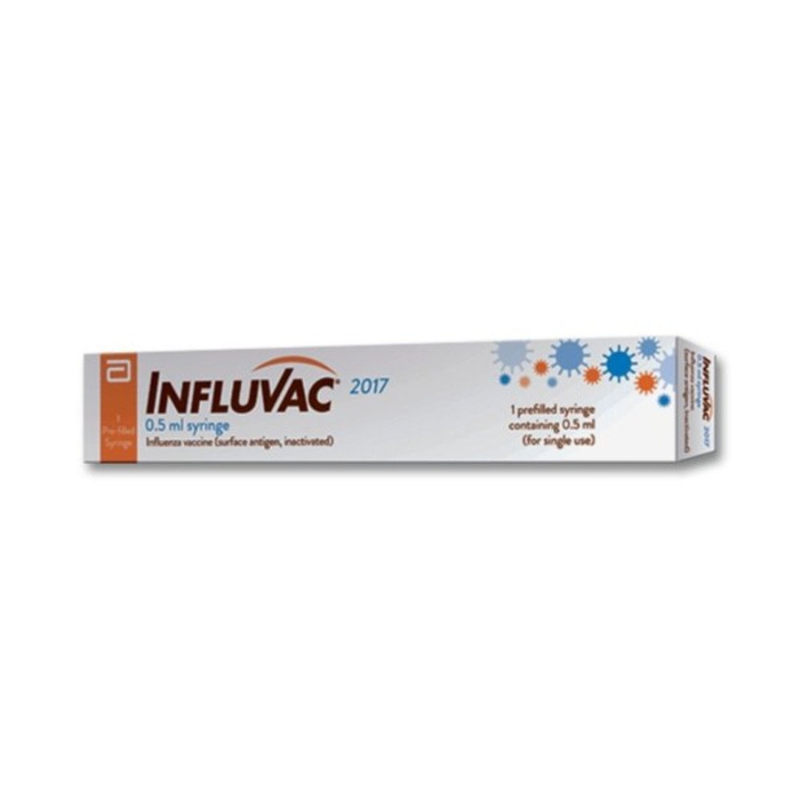
The influvac vaccine is a seasonal influenza vaccine used to protect against common strains of the flu virus. Doctors prescribe influvac injection for adults and children who are at risk of influenza complications, especially the elderly, healthcare workers, and people with chronic illnesses. Annual vaccination matters because influenza can lead to serious respiratory illness, hospitalisation, and avoidable complications during the peak flu season in Pakistan.
Influvac vaccine Price in Pakistan
The influvac vaccine price in Pakistan is not fixed and may vary depending on the city, pharmacy, hospital supply, and updated notifications from DRAP (Drug Regulatory Authority of Pakistan). Prices can also differ based on batch availability and whether the product is imported or locally distributed. For this reason, patients are advised to check the latest influvac price directly from a verified pharmacy or medical laboratory before purchasing.
It is important not to rely on outdated listings online, as medicine prices can change. Just like people search for Neurobion injection price in Pakistan or inj Neurobion price in Pakistan, checking the most recent influvac vaccine price in Pakistan ensures accuracy and avoids confusion. Always confirm the influvac vaccine availability in Pakistan before visiting a pharmacy.
Composition & Ingredients of influvac vaccine
Influvac tetra is a quadrivalent influenza vaccine formulated to protect against four different influenza virus strains recommended for the current flu season. It contains inactivated (killed) virus fragments, meaning it cannot cause influenza infection. The formulation is updated annually according to global health authority recommendations to match circulating virus strains.
Inactivated Influenza Virus Antigens (Strain A and B Components)
The active components of influvac injection are purified, inactivated influenza virus antigens from two influenza A strains and two influenza B strains. These viral fragments are grown under controlled conditions and then inactivated so they cannot replicate in the body. Once injected, they stimulate the immune system to produce antibodies specific to these strains. If a vaccinated person later encounters the real virus, the immune system can respond more quickly and effectively, reducing the severity of illness.
Unlike a vitamin B12 injection, which replaces a nutrient deficiency, Injection InfluVac works by training the immune system. There is no concept of “deficiency” for influenza antigens; instead, the vaccine prepares the body in advance. The injectable form is preferred because it delivers the antigen directly into muscle tissue, ensuring a consistent immune response.
How the influvac vaccine Works
After administration, inj influvac is injected into the muscle, usually in the upper arm. From there, the viral antigens are taken up by immune cells at the injection site. These cells process the antigens and present them to the immune system, initiating antibody production.
The body then forms specific antibodies against the influenza strains included in Influvac Tetra. This process typically takes about 2 to 3 weeks. During this time, the immune system builds protective memory cells. If exposed to influenza later, these antibodies recognise and neutralise the virus more efficiently.
Most people do not “feel” the vaccine working. The noticeable effects are usually limited to mild, short-term reactions such as soreness at the injection site. Protection develops gradually, and the duration of immunity generally covers the ongoing flu season. Because influenza viruses mutate, annual vaccination is recommended even if you received an injection influvac the previous year.
Uses & Indications – Who Should Use the influvac vaccine?
Influvac vaccine uses primarily relate to the prevention of seasonal influenza. It is not a treatment for an active flu infection but a preventive measure.
It is commonly recommended for:
- Adults and elderly individuals: Older adults are at higher risk of severe flu complications, including pneumonia and hospitalisation. Annual vaccination reduces this risk.
- Children above 6 months (as per medical advice): Children can spread influenza rapidly in schools and households. Vaccination helps limit outbreaks.
- People with chronic diseases: Individuals with diabetes, asthma, heart disease, or weakened immunity may experience more severe influenza symptoms.
- Healthcare workers: Medical staff are exposed to infected patients and can transmit the virus to vulnerable individuals.
- Pregnant women (as advised by the doctor): Influenza during pregnancy can lead to complications; vaccination provides maternal and neonatal protection.
Influvac vaccine dose and schedule should always be determined by a qualified physician. This is a prescription vaccine, and suitability must be assessed based on medical history.
Dosage & Administration
The dosage of the influvac injection depends on age and vaccination history. A healthcare professional determines the correct influvac vaccine dose after reviewing the patient’s history and risk factors.
Standard Adult Dosage
For adults and children over 3 years of age, the usual dose is 0.5 ml given once per flu season. Children under 9 years who have not previously been vaccinated against influenza may require a second 0.5 ml dose at least four weeks after the first dose. Neurobion inj is unrelated to influenza vaccination, and patients should not confuse vitamin injections with influenza immunisation schedules.
Route of Administration
Injection influvac is administered intramuscularly, usually in the deltoid muscle of the upper arm. In some cases, such as patients with bleeding disorders, the doctor may consider subcutaneous administration. It must never be given intravenously. The injection should always be administered by a trained healthcare professional in a clinical setting.
Dosage for Special Populations
- Children: Dosage is adjusted according to age and prior vaccination history.
- Elderly patients: Generally receive the standard adult dose, unless otherwise advised.
- Pregnant women: Can be vaccinated if recommended by their doctor, particularly during flu season.
- Patients with chronic illness may particularly benefit from annual vaccination but require physician evaluation beforehand.
Side Effects of the influvac vaccine
Influvac vaccine side effects are usually mild and temporary. Most individuals tolerate the vaccine well without serious complications.
Common Side Effects
These reactions are typically mild and resolve within a few days:
- Pain or redness at the injection site: Local inflammation is the most frequent reaction and usually settles without treatment.
- Mild fever: A low-grade temperature may occur as part of the immune response.
- Headache: Temporary and self-limiting in most cases.
- Muscle aches: Generalised body aches can occur for a short period.
- Fatigue or malaise: Some individuals feel slightly unwell for 24-48 hours.
Less Common & Rare Side Effects
Although uncommon, the following may occur:
- Severe allergic reaction (anaphylaxis) – Sudden swelling, breathing difficulty, or rash requires immediate medical attention.
- Persistent high fever – Should be evaluated by a doctor.
- Neurological symptoms (very rare) – Any unusual weakness or numbness should be reported promptly.
If severe symptoms develop after inj influvac, seek emergency medical care immediately.
Precautions & Warnings
Before receiving the influvac injection, certain precautions should be considered to ensure safe administration.
Drug Interactions
Immunosuppressive medicines such as corticosteroids, cytotoxic drugs, or patients undergoing radiotherapy may have a reduced immune response to the vaccine. While the vaccine can still be given, the level of protection may be lower. Inform your doctor about all ongoing treatments before vaccination.
Pregnancy & Breastfeeding
Influenza vaccination is generally considered safe during pregnancy, particularly in the second and third trimesters, but medical advice is essential. Breastfeeding mothers can usually receive the vaccine safely. The decision should be based on risk assessment by a healthcare provider.
Allergy & Hypersensitivity
Individuals with a history of severe allergic reaction to any component of the vaccine should not receive Influvac. Inform your doctor if you have experienced prior vaccine-related allergies. Monitoring for a short period after injection is standard practice.
Special Medical Conditions
People with bleeding disorders may require subcutaneous administration instead of intramuscular injection. Those with acute febrile illness may be advised to delay vaccination until recovery. Patients with compromised immunity should consult a specialist regarding timing and expected effectiveness.
Storage & Handling
Influvac vaccine should be stored in a refrigerator at 2°C to 8°C and must not be frozen. Protect the vaccine from direct light and keep it in its original packaging until use. Once the prefilled syringe is opened, it should be used immediately and not stored for later use. Used syringes and needles must be disposed of safely in designated medical waste containers.
Influvac vaccine vs Other Flu Prevention Options
Influvac tetra provides strain-specific immunity that cannot be achieved through vitamins or general immune boosters. While good nutrition and hygiene reduce infection risk, they do not replace vaccination. Unlike oral supplements, injection influvac directly stimulates antibody production against identified influenza strains.
Compared to previous trivalent vaccines, the quadrivalent formulation covers an additional B strain, offering broader protection during flu season. In Pakistan, this expanded coverage is particularly useful due to the variability in circulating influenza viruses each year. When assessing influvac price in Pakistan, patients should consider the value of seasonal protection against potential hospitalisation costs.
Buy Now / Where to Get the influvac vaccine
Influvac vaccine helps reduce the risk of seasonal influenza and its complications when taken annually under medical supervision. Before purchasing, always confirm the latest Neurobion injection price in Pakistan. Style updates, meaning check the most recent influvac vaccine price in Pakistan through a reliable provider, as prices change regularly. For verified price details and influvac vaccine availability in Pakistan, consult trusted platforms such as All Lab Tests or authorised pharmacies to ensure authenticity and proper storage.
FAQs
1. What is the current influenzavaccine price in Pakistan?
The influvac vaccine price in Pakistan varies by pharmacy, city, and supply conditions. It is best to check directly with a verified pharmacy or medical platform for updated rates. Avoid relying on outdated online listings.
2. Can I get an influvac injection without a prescription?
Influvac is generally administered under medical supervision. While some pharmacies may stock it, a doctor’s recommendation is advised to confirm suitability and correct the influvac vaccine dose.
3. How long does the influvac vaccine take to work?
Protection usually develops within 2 to 3 weeks after injection of Influvac. The immune response timeline may vary slightly depending on age and immune status.
4. Is Influvac Tetra different from older flu vaccines?
Yes, influvac tetra protects against four influenza strains, offering broader coverage than older trivalent vaccines that covered only three strains.
5. Are influvac vaccine side effects serious?
Most influvac vaccine side effects are mild, such as soreness or low-grade fever. Serious reactions are rare but require immediate medical attention.
6. How often should I receive an influenza vaccine?
Influenza vaccination is recommended annually because virus strains change and immunity wanes over time.
7. How can I check the influvac vaccine availability in Pakistan?
You can contact local pharmacies, hospitals, or verified healthcare listing platforms like All Lab Tests to confirm stock and updated pricing before visiting in person.
Reviews
There are no reviews yet.