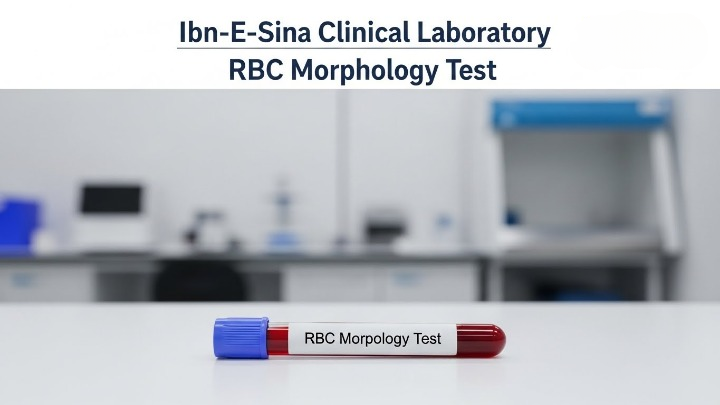
The RBC Morphology test, also called the Peripheral Smear Report, is one of the most important diagnostic tests for understanding the health and condition of red blood cells. Red blood cells (RBCs) play a critical role in carrying oxygen throughout the body, and any abnormalities in their size, shape, or number can indicate serious health problems. At Ibn-E-Sina Clinical Laboratory, this test is conducted with high accuracy using advanced equipment and expert laboratory technicians, ensuring reliable results for patients across Pakistan.
Patients are often advised to take the RBC Morphology test when experiencing symptoms such as fatigue, shortness of breath, pallor, or unusual bruising. Beyond symptom-driven testing, this test is also part of routine health screenings and blood disorder monitoring. By examining the morphology of RBCs, doctors can identify conditions such as anemia, hereditary blood disorders, nutritional deficiencies, infections, and even chronic illnesses that may impact blood health.
What is RBC Morphology?
RBC Morphology is the study of red blood cells under a microscope. The test assesses the size, shape, color, and overall appearance of RBCs, which are essential for transporting oxygen from the lungs to tissues and organs. Any deviation from normal morphology may indicate an underlying health issue.
Purpose of the Test
- Diagnosis of anemia: Determines the type microcytic, macrocytic, or normocytic and the cause of anemia.
- Detection of hereditary blood disorders: Helps identify sickle cell anemia, thalassemia, and other genetic conditions.
- Evaluation of chronic diseases: Assesses how chronic illnesses affect RBC health.
- Monitoring treatment effectiveness: Helps doctors track the response to therapy for blood-related conditions.
Doctors typically recommend the RBC Morphology test when patients show symptoms like fatigue, weakness, dizziness, or pale skin. It is also commonly prescribed as part of routine blood work for individuals with risk factors for anemia or other hematological disorders.
Why is RBC Morphology Important?
Red blood cells are vital for overall health, as they carry oxygen to all tissues in the body. Any abnormality in RBC morphology can have significant implications:
- Nutritional deficiencies: Iron, vitamin B12, and folate deficiencies can cause changes in RBC size and shape.
- Genetic disorders: Sickle cell anemia or thalassemia can alter RBC morphology.
- Bone marrow disorders: Irregular RBCs may indicate bone marrow issues.
- Chronic illnesses or infections: Conditions like chronic kidney disease, liver disease, or infections can affect RBC health.
Early detection through RBC Morphology testing can help prevent complications, guide effective treatment, and improve overall health outcomes.
When Should You Get an RBC Morphology Test?
The RBC Morphology test is recommended in several situations:
- Diagnosis of anemia: To determine the type and underlying cause.
- Monitoring blood disorders: For patients with thalassemia, sickle cell anemia, or other hematological conditions.
- Routine health check-ups: Especially for people at risk of nutritional deficiencies.
- Follow-up testing: To evaluate the response to treatment or recovery from blood disorders.
Consulting a doctor will help determine the best time to take this test, based on individual health needs and medical history.
How to Prepare for the RBC Morphology Test?
Preparation for RBC Morphology testing is straightforward:
- Fasting requirements: Usually not required unless specified by a doctor.
- Medication disclosure: Inform your doctor about any medications, vitamins, or herbal supplements you are taking.
- Hydration: Drink sufficient water before the test to make blood collection easier.
- Relaxation: Being calm during the procedure reduces discomfort and ensures smooth sample collection.
No special dietary restrictions are necessary, making this test convenient to schedule at any time.
How is the RBC Morphology Test Performed at Ibn-E-Sina Clinical Laboratory?
The RBC Morphology test is performed using a simple blood sample. The procedure is as follows:
- Sample Collection: A trained phlebotomist draws blood from a vein, usually in the arm.
- Slide Preparation: The blood sample is spread on a glass slide and stained to highlight the cell structures.
- Microscopic Examination: Laboratory specialists examine RBCs under a microscope, assessing size, shape, color, and any abnormal features.
- Report Generation: A detailed report is created documenting findings, including any abnormal cells or indications of blood disorders.
At Ibn-E-Sina Clinical Laboratory, all procedures are conducted following international standards, ensuring accurate results, privacy, and professional care.
RBC Morphology Report & Normal Values
The RBC Morphology report provides comprehensive information about the size, shape, and count of red blood cells. Normal values may vary slightly based on age, sex, and laboratory standards:
| Parameter | Normal Range |
| RBC Size (MCV) | 80-100 fL |
| RBC Count | Men: 4.7-6.1 million/µL; Women: 4.2-5.4 million/µL |
| Hemoglobin (Hb) | Men: 13.8-17.2 g/dL; Women: 12.1-15.1 g/dL |
| Hematocrit (Hct) | Men: 40.7-50.3%; Women: 36.1-44.3% |
| Shape | Biconcave, round |
Abnormal results may suggest iron deficiency anemia, vitamin B12 or folate deficiency, sickle cell disease, thalassemia, or bone marrow disorders. It is important to consult a qualified doctor for an accurate diagnosis and treatment recommendations.
Understanding Abnormal Results
Abnormal RBC Morphology may include:
- Microcytic anemia: Smaller than normal RBCs due to iron deficiency.
- Macrocytic anemia: Larger than normal RBCs caused by vitamin B12 or folate deficiency.
- Sickle cell anemia: Crescent-shaped RBCs, a hereditary condition.
- Thalassemia: Abnormal hemoglobin leading to irregular RBC shapes.
Follow-up consultations and additional tests may be necessary to determine the precise cause of abnormal results.
RBC. Test at Ibn-E-Sina Clinical Laboratory
Before booking the RBC Morphology test, patients can also consider the following related test:
| Lab Name | Test Name | Test Price |
| Ibn-E-Sina Clinical Laboratory | RBC. | Rs. 400 |
RBC Morphology Test Cost at Ibn-E-Sina Clinical Laboratory
The RBC Morphology test costs at Ibn-E-Sina Clinical Laboratory is Rs. 600. The lab offers convenient online booking options, enabling patients to schedule appointments from home. Whether for routine health checks or follow-up diagnostics, the RBC Morphology test is affordable and accessible across multiple locations in Pakistan.
Where to Book RBC Morphology Test in Pakistan
Looking for RBC Morphology test near me? Patients can easily book their test at Ibn-E-Sina Clinical Laboratory through All Lab Tests. The platform allows comparison of test costs, lab ratings, and online appointment scheduling. This ensures a convenient and efficient process for all patients seeking reliable blood testing services.
Book Your RBC Morphology Test at Ibn-E-Sina Clinical Laboratory
Book your RBC Morphology test today through All Lab Tests to receive precise results from a trusted diagnostic center in Pakistan. Benefits include:
- Simple online booking
- Professional and hygienic sample collection
- Fast and accurate lab reports
- Expert consultation for abnormal results
Prioritize your health with Ibn-E-Sina Clinical Laboratory’s RBC Morphology test and gain valuable insights into your blood health efficiently.