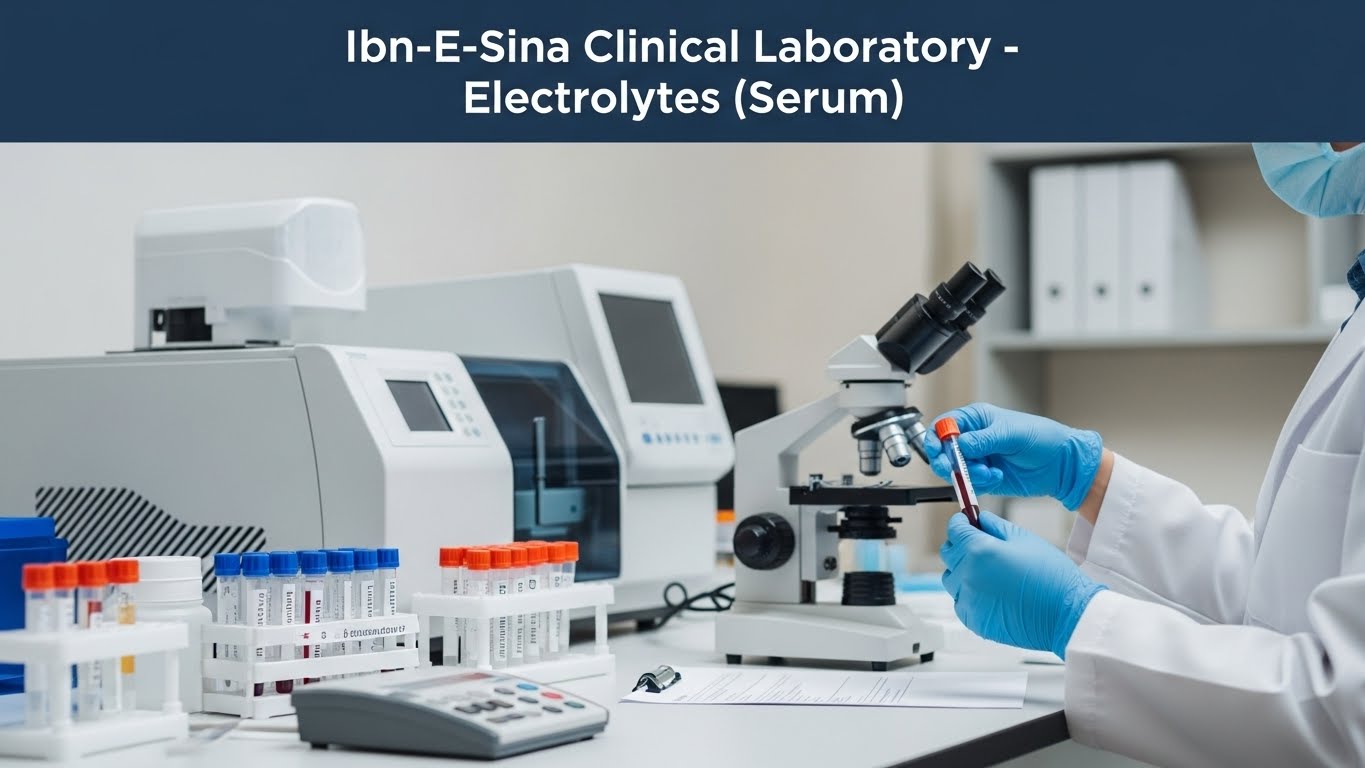
Electrolytes play a vital role in maintaining the body’s overall balance and proper functioning. An imbalance in electrolytes can lead to serious health complications affecting the heart, kidneys, and nervous system. The Electrolytes (Serum) test, also known as Lytes or the Electrolyte Panel, is a common laboratory test that measures essential minerals in the blood, including sodium, potassium, chloride, and bicarbonate. These minerals are crucial for regulating blood pressure, muscle function, and overall fluid balance.
At Ibn-E-Sina Clinical Laboratory, one of Pakistan’s most trusted diagnostic centers, patients can access accurate and reliable electrolyte testing. The laboratory is renowned for its cutting-edge equipment, skilled staff, and adherence to international diagnostic standards. Whether you are experiencing fatigue, irregular heartbeat, or unexplained muscle cramps, or your doctor recommends routine health monitoring, this test provides crucial insights into your body’s electrolyte balance.
Understanding your electrolyte levels helps doctors diagnose conditions such as dehydration, kidney disease, metabolic disorders, and more. This article will guide you through everything you need to know about the Electrolytes (Serum) test at Ibn-E-Sina Clinical Laboratory, including preparation, process, cost, normal values, and booking information.
What are Electrolytes (Serum)?
The Electrolytes (Serum) test measures the concentration of key electrolytes in your blood. Electrolytes are electrically charged minerals that play essential roles in nerve function, muscle contraction, hydration, and maintaining pH balance in your body.
Components Measured in the Test
- Sodium (Na⁺): Maintains fluid balance and supports nerve and muscle function.
- Potassium (K⁺): Controls heart rhythm and muscle contractions.
- Chloride (Cl⁻): Maintains acid-base balance and fluid volume.
- Bicarbonate (HCO₃⁻): Helps maintain the body’s pH level.
Doctors usually recommend this test when they suspect dehydration, electrolyte imbalance, kidney disease, heart disorders, or during hospitalization to monitor critical patients. It is also frequently part of routine check-ups or pre-surgery screening to ensure proper health status.
Why are Electrolytes (Serum) Important?
Electrolytes are essential for the proper functioning of the heart, kidneys, muscles, and nerves. An imbalance can result in serious health issues. For instance:
- Hyponatremia (low sodium): Can cause confusion, seizures, or fatigue.
- Hyperkalemia (high potassium): May lead to dangerous heart rhythm disturbances.
- Hypokalemia (low potassium): Can result in muscle weakness or irregular heartbeat.
- Acid-base imbalance: Can indicate kidney problems or metabolic disorders.
This test allows physicians to detect these imbalances early, preventing complications and guiding treatment plans. Accurate and timely testing is crucial for chronic conditions like heart failure, renal diseases, or patients on medications that may affect electrolyte levels.
When Should You Get an Electrolytes (Serum) Test?
Doctors may recommend the Electrolytes (Serum) test under several conditions:
- Experiencing fatigue, dizziness, muscle weakness, or cramps.
- Following hospitalization, especially after surgery or severe illness.
- Routine health screenings for adults and older individuals.
- Monitoring chronic conditions like kidney disease, heart disease, or hypertension.
- Assessing medication effects that impact electrolyte balance, such as diuretics.
This test is also used in emergency settings to quickly identify life-threatening electrolyte disturbances.
How to Prepare for Electrolytes (Serum)?
Preparation for the Electrolytes (Serum) test is simple and patient-friendly:
- Fasting: Typically not required; however, follow your doctor’s instructions if fasting is needed.
- Medications: Inform your doctor about any current medications, as some may affect electrolyte levels.
- Hydration: Drink water as usual unless instructed otherwise. Dehydration can affect sodium and potassium levels.
- Avoid supplements: Refrain from taking mineral supplements unless advised by your physician.
- Rest: Ensure a calm and stress-free environment before testing for accurate readings.
Proper preparation ensures reliable results, helping your doctor make accurate diagnoses.
How is the Electrolytes (Serum) Test Performed at Ibn-E-Sina Clinical Laboratory?
At Ibn-E-Sina Clinical Laboratory, the Electrolytes (Serum) test is performed using a simple blood sample.
Step-by-step process:
- A trained phlebotomist collects a blood sample from your vein, usually in the arm.
- The sample is labeled and sent to the laboratory’s state-of-the-art analyzers.
- Advanced automated equipment measures the levels of sodium, potassium, chloride, and bicarbonate accurately.
- The results are reviewed by certified laboratory specialists and verified for accuracy.
The laboratory ensures professionalism, privacy, and hygiene during the entire process. Patients can expect accurate and fast results, typically available within 24 hours.
Electrolytes (Serum) Report & Normal Values
Your Electrolytes (Serum) report will show the levels of each electrolyte in milliequivalents per liter (mEq/L). Below is a standard reference table for adult patients:
| Electrolyte | Normal Range (Adults) |
| Sodium (Na⁺) | 135 – 145 mEq/L |
| Potassium (K⁺) | 3.5 – 5.0 mEq/L |
| Chloride (Cl⁻) | 98 – 106 mEq/L |
| Bicarbonate (HCO₃⁻) | 22 – 28 mEq/L |
Interpretation of Results:
- Values within the normal range indicate proper electrolyte balance.
- Abnormal results may indicate dehydration, kidney dysfunction, hormonal disorders, or medication effects.
Important: Only a qualified doctor can diagnose the underlying cause of abnormal results and recommend treatment.
Understanding Abnormal Results
Abnormal electrolyte values can occur due to various factors:
- Low sodium (hyponatremia): May be caused by excessive fluid intake, kidney disease, or heart failure.
- High sodium (hypernatremia): Often due to dehydration, high salt intake, or endocrine disorders.
- Low potassium (hypokalemia): Can result from vomiting, diarrhea, or diuretic use.
- High potassium (hyperkalemia): May indicate kidney failure or medication side effects.
Follow-up testing and medical consultation are essential to determine the exact cause and prevent complications.
How to Maintain Healthy Electrolyte Levels Naturally
Maintaining balanced electrolytes is achievable with simple lifestyle and dietary habits:
- Stay hydrated: Drink water regularly, especially during exercise or hot weather.
- Eat a balanced diet: Include fruits, vegetables, nuts, and dairy rich in potassium, sodium, and magnesium.
- Limit processed foods: Excessive salt can disrupt sodium balance.
- Monitor medications: Discuss with your doctor if taking diuretics or other drugs affecting electrolytes.
- Regular check-ups: Routine testing helps detect imbalances early.
Electrolytes (Serum) Cost at Ibn-E-Sina Clinical Laboratory
The Electrolytes (Serum) test cost at Ibn-E-Sina Clinical Laboratory is Rs. 1,200. This price is transparent, affordable, and consistent across all branches in Pakistan.
Patients can conveniently book the test online through trusted platforms like All Lab Tests, select the nearest branch, and enjoy fast results and professional care. Mentioning the cost multiple times ensures patients are informed and confident when booking their test.
Other (Serum) Related Tests at Ibn-E-Sina Clinical Laboratory
If you are considering electrolyte and mineral testing, Ibn-E-Sina Clinical Laboratory also offers other important serum tests. Here’s a quick reference table with test names, alternative names, and prices:
| Test Name (Serum) | Also Known As | Test Price (Rs.) |
| Calcium (Serum) | Total Calcium | 800 |
| Magnesium (Serum) | Mag, Mg | 800 |
| Copper (Serum) | Blood Copper, Urine Copper, Hepatic Copper, Free Copper | 2,500 |
| Electrolytes (Serum) | Lytes, Electrolyte Panel | 1,200 |
These tests can complement your Electrolytes (Serum) test, helping your doctor get a comprehensive view of your mineral and electrolyte balance.
Where to Book Electrolytes (Serum) in Pakistan
Looking for “Electrolytes (Serum) near me“? You can now:
- Compare test prices in Pakistan.
- View Ibn-E-Sina Clinical Laboratory test charges 2026.
- Choose the nearest trusted diagnostic lab for convenient testing.
Platforms like All Lab Tests make it easy to book your Electrolytes (Serum) test online and receive reliable results quickly.
Book Your Electrolytes (Serum) at Ibn-E-Sina Clinical Laboratory
Book your Electrolytes (Serum) test today through All Lab Tests and get accurate results from one of Pakistan’s most trusted diagnostic centers. Ibn-E-Sina Clinical Laboratory ensures a professional, safe, and patient-friendly environment, offering fast reports and expert care.
Don’t wait monitor your health and take proactive steps by scheduling your test conveniently online.