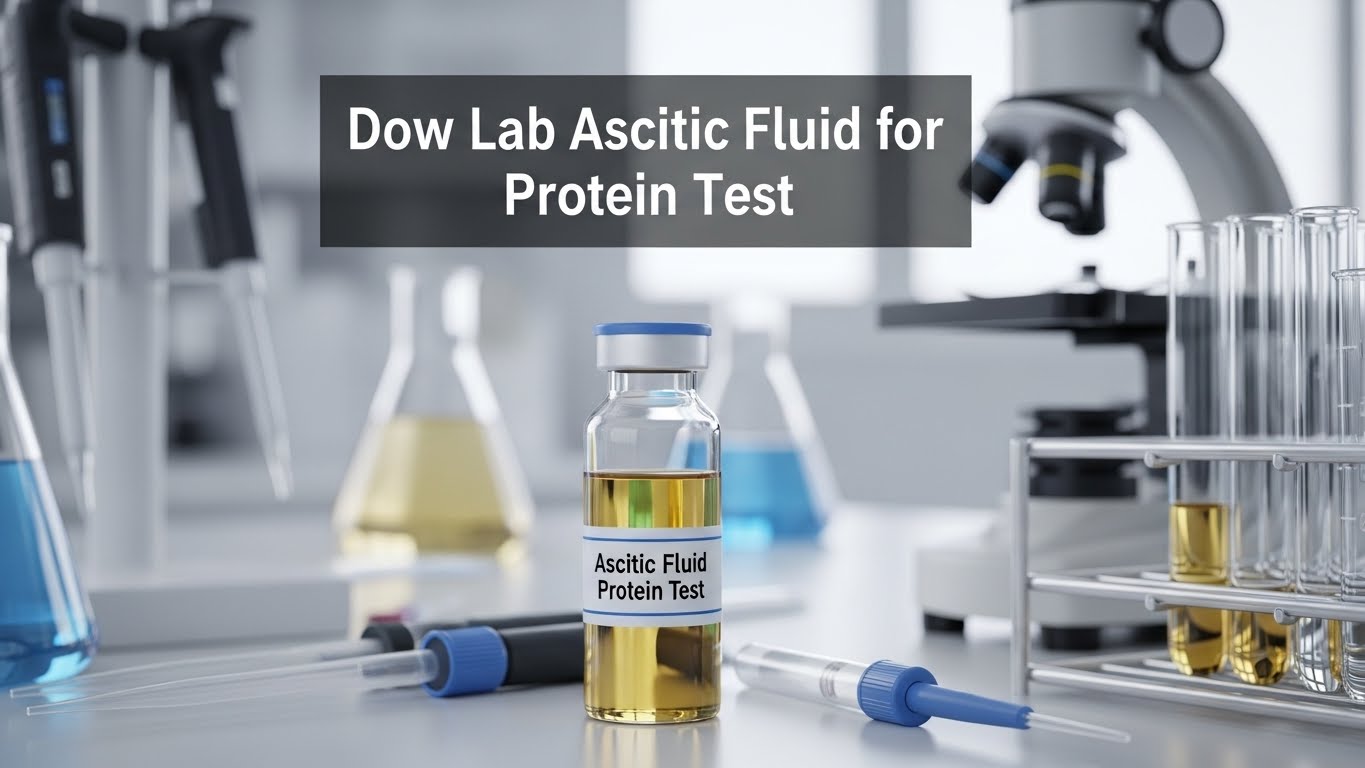
Ascitic Fluid for Protein test is a vital diagnostic tool used to evaluate the protein levels in the fluid collected from the abdominal cavity, also known as ascitic fluid. At Dow Lab, a leading diagnostic center in Pakistan, this test is performed with high precision using advanced laboratory equipment and standardized procedures to ensure accurate results.
This test is commonly recommended by doctors when a patient shows symptoms like abdominal swelling, unexplained weight gain, liver disease, or heart-related conditions. Measuring protein levels in ascitic fluid helps doctors distinguish between various medical conditions such as liver cirrhosis, infections, and malignancies.
With Dow Lab’s commitment to accurate diagnostics, patients can rely on professional sample collection, timely reporting, and detailed interpretation of their results. Whether it’s part of routine monitoring or an urgent diagnostic need, the Ascitic Fluid for Protein test provides essential insights into your health.
What is Ascitic Fluid for Protein?
The Ascitic Fluid for Protein test measures the concentration of proteins, primarily albumin and globulin, present in the fluid accumulated in the abdominal cavity. Normally, small amounts of fluid exist around the organs, but excessive fluid accumulation can indicate an underlying medical problem.
Doctors recommend this test when they suspect conditions such as:
- Liver diseases, including cirrhosis and hepatitis
- Heart failure or kidney disorders
- Infections in the abdominal cavity (spontaneous bacterial peritonitis)
- Cancerous growths or tumors
By evaluating protein levels, medical professionals can classify ascitic fluid as transudate (low protein, often due to systemic conditions like liver disease) or exudate (high protein, often due to infection or malignancy). This distinction is crucial in guiding further diagnostic tests and treatment strategies.
Why is Ascitic Fluid for Protein Important?
Testing ascitic fluid for protein content plays a critical role in understanding the underlying causes of abdominal fluid accumulation. Low or high protein levels can reveal important information about organ function and systemic health.
For instance:
- Low protein levels may indicate liver cirrhosis, nephrotic syndrome, or congestive heart failure.
- High protein levels can point to infections like peritonitis or cancers involving the peritoneum.
Accurate assessment of protein in ascitic fluid helps doctors make informed decisions about patient management, medication, or surgical interventions. Early detection of abnormal protein levels can prevent complications and support timely treatment.
When Should You Get an Ascitic Fluid for Protein Test?
You should consider getting this test if you experience:
- Persistent abdominal swelling or bloating
- Pain or tenderness in the abdomen
- Unexplained weight gain or loss
- Symptoms of liver or kidney disorders
Doctors may also recommend this test as part of routine monitoring for patients with chronic liver disease or as follow-up for those previously diagnosed with ascites. Additionally, it is a standard procedure before certain surgical or diagnostic interventions to ensure patient safety and treatment accuracy.
How to Prepare for an Ascitic Fluid for Protein Test?
Preparation for the Ascitic Fluid for Protein test is generally straightforward:
- No fasting required: You can eat and drink normally unless instructed otherwise by your doctor.
- Medication review: Inform your doctor about any blood thinners or medications that could affect fluid composition.
- Hydration: Drink plenty of water unless restricted by your doctor. Proper hydration ensures easier sample collection.
- Comfort: Wear loose clothing to facilitate abdominal access during sample collection.
Following these steps helps ensure accurate results and a smooth testing process at Dow Lab.
How is the Ascitic Fluid for Protein Test Performed at Dow Lab?
The test requires a sample of ascitic fluid, typically collected via paracentesis, a procedure where a thin, sterile needle is used to withdraw fluid from the abdominal cavity. At Dow Lab, the procedure is carried out under strict hygiene protocols by trained medical professionals to ensure safety and accuracy.
Step-by-step procedure:
- The patient is positioned comfortably, usually lying on their back.
- The targeted area of the abdomen is cleaned and sterilized.
- A local anesthetic may be applied to minimize discomfort.
- A thin needle or catheter is inserted to collect the required fluid sample.
- The fluid is then sent to the lab for protein analysis using automated analyzers and standardized biochemical techniques.
Patients can expect minimal discomfort, and the process is designed to maintain privacy and adhere to professional standards.
Ascitic Fluid for Protein Report & Normal Values
The Ascitic Fluid for Protein test report provides protein concentration in grams per deciliter (g/dL). Normal protein levels help distinguish between transudative and exudative ascites.
| Protein Type | Normal Range in Ascitic Fluid |
| Total Protein | Less than 2.5 g/dL (Transudate) |
| Albumin | 1.1 – 2.5 g/dL |
| Globulin | 0.5 – 1.5 g/dL |
Interpretation:
- Low protein (<2.5 g/dL): Usually indicates transudative ascites, often due to liver cirrhosis or heart failure.
- High protein (>2.5 g/dL): Suggests exudative ascites, commonly caused by infections, malignancies, or inflammatory conditions.
It is important to remember that only a qualified doctor can diagnose the underlying cause based on these results.
Understanding Abnormal Results
Abnormal protein levels in ascitic fluid can indicate various medical conditions:
- Low protein levels: Liver cirrhosis, nephrotic syndrome, congestive heart failure
- High protein levels: Tuberculosis, bacterial peritonitis, peritoneal carcinomatosis
Follow-up tests such as imaging, culture analysis, or liver function tests may be required for a definitive diagnosis. Consulting a healthcare professional promptly is crucial if abnormal results are detected.
How to Improve Abdominal Health Naturally
While some causes of abnormal ascitic fluid require medical treatment, general lifestyle adjustments can support abdominal and liver health:
- Balanced diet: Include fruits, vegetables, lean proteins, and whole grains.
- Hydration: Drink adequate water daily unless restricted.
- Limit alcohol: Excess alcohol intake can contribute to liver disease.
- Regular exercise: Moderate physical activity improves circulation and overall health.
- Monitor weight and swelling: Early detection of fluid buildup helps prevent complications.
Always consult your doctor before making lifestyle changes, especially if you have existing liver or heart conditions.
Dow Lab Ascitic Fluid Test Prices
In addition to the Ascitic Fluid for Protein test, Dow Lab offers other important ascitic fluid tests to help diagnose abdominal and liver-related conditions. Here’s a quick reference for available tests and their prices:
| Test Name | Test Price (Rs.) |
| Ascitic Fluid for Protein | 350 |
| Ascitic Fluid for Triglycerides | 350 |
| Ascitic Fluid D/R + Albumin | 920 |
These tests are commonly recommended by doctors depending on symptoms, medical history, and the specific condition being investigated. You can book any of these tests at Dow Lab conveniently through online platforms or at a nearby branch.
Ascitic Fluid for Protein Test Cost at Dow Lab
The Ascitic Fluid for Protein test cost at Dow Lab is Rs. 350. This competitive pricing ensures that patients in Pakistan have access to high-quality diagnostics without financial strain.
Booking is simple and convenient through Dow Lab’s online platform or local branches. Patients can schedule appointments, receive reminders, and collect reports digitally, making the process efficient and stress-free.
The test cost at Dow Lab is consistent across Pakistan, providing reliable pricing transparency for all patients seeking diagnostic services.
Dow Lab Ascitic Fluid for Protein Price in Pakistan
For individuals searching online, the Dow Lab Ascitic Fluid for Protein Price in Pakistan is Rs. 350. Patients can compare charges, find the nearest branch, and book tests online with ease.
Using platforms like All Lab Tests, you can:
- Check the latest Dow Lab test charges 2026
- Compare costs across other diagnostic centers
- Schedule appointments with minimal wait time
This accessibility ensures that more patients can access essential diagnostic services affordably and efficiently.
Where to Book Ascitic Fluid Tests in Pakistan
Looking for “Ascitic Fluid test near me”? You can easily book your tests, including Ascitic Fluid for Protein, Ascitic Fluid for Triglycerides, and Ascitic Fluid D/R + Albumin, through All Lab Tests. Dow Lab offers multiple branches across major cities in Pakistan, providing convenient access for sample collection.
Through All Lab Tests, you can:
- View Dow Lab test charges 2026
- Compare prices across different labs
- Choose the nearest Dow Lab branch
- Schedule an appointment online at your convenience
- Receive digital reports for easy access and sharing with your doctor
This seamless process ensures patients can prioritize their health without any logistical hassle.
Book Your Ascitic Fluid Test at Dow Lab
Take charge of your health today by booking the Ascitic Fluid for Protein test or any other related ascitic fluid tests at Dow Lab. With professional sample collection, accurate analysis, and timely reporting, you can trust Dow Lab for reliable diagnostic services in Pakistan.
Book your test now through All Lab Tests, access convenient online booking, and get expert care at trusted Dow Lab centers. Ensure your abdominal and liver health is monitored with precision, fast, safety, and professionalism.