
Medically reviewed by a licensed physician
Content verified for accuracy by a qualified medical professional.
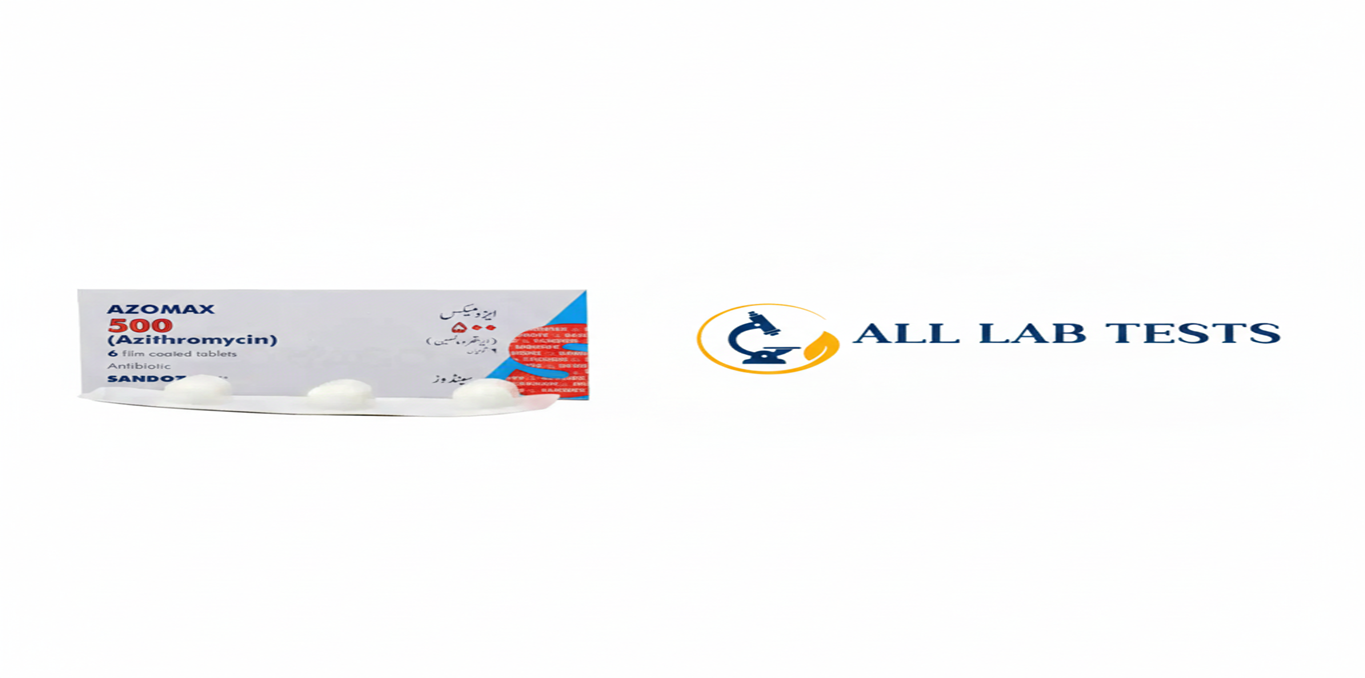
Azomax 500 is one of the most commonly prescribed antibiotics in Pakistan for treating bacterial infections. It is widely used for respiratory tract infections, skin infections, ear infections, and certain sexually transmitted infections. Because antibiotics are often misused, it is important for patients to understand what Azomax is, how it works, when it should be used, and when it should be avoided.
This guide by All Lab Tests provides verified and easy-to-understand information about Azomax 500 capsules, including its price in Pakistan, medical uses, dosage, side effects, safety warnings, and interactions. This content has been medically reviewed to ensure accuracy and is intended for educational purposes only. Always follow your doctor’s advice before taking any medication.
What is Azomax 500?
Azomax 500 is a prescription medicine that contains azithromycin, an antibiotic from the macrolide group. It is designed to treat infections caused by susceptible bacteria by limiting their ability to grow and spread inside the body.
Azithromycin works by interfering with bacterial protein production, which prevents bacteria from multiplying and allows the immune system to control and eliminate the infection more effectively.
Azomax 500 is commonly prescribed because it is taken once daily, is generally well tolerated, and remains active in the body for an extended period after the last dose.
It is important to understand that Azomax works only against bacterial infections. It has no effect on viral illnesses such as the common cold, influenza, or COVID-19, and it should not be used for those conditions.
Azomax 500 Capsule Price in Pakistan (Updated 2026)
The price of Azomax 500 capsules in Pakistan can vary depending on the pharmacy, manufacturer, city, and current market availability. Larger hospitals and branded pharmacies may charge slightly more compared to local medical stores.
-
Strength: 500 mg
-
Pack size: Commonly available as 1 strip containing 3 capsules, and sometimes in full box packs
-
Prescription required: Yes
-
Price range: Approximately PKR 400 to PKR 700
Prices may change over time due to supply, import costs, or regulatory updates. Patients should always purchase Azomax from a licensed pharmacy, check the packaging for authenticity, and confirm the expiry date before use to ensure safety and effectiveness.
What is Azomax Used For?
Azomax 500 is prescribed to treat a variety of bacterial infections. Its effectiveness makes it suitable for infections in different parts of the body, but it should only be used when a bacterial infection is confirmed or strongly suspected by a healthcare professional.
Respiratory Infections
Azomax is commonly used for infections of the lungs and airways, including:
-
Pneumonia – infection of the lungs causing cough, fever, and breathing difficulties
-
Bronchitis – inflammation of the bronchial tubes leading to persistent cough
-
Sinusitis – infection in the sinuses causing nasal congestion and facial pain
-
Throat infections – including bacterial pharyngitis or tonsillitis
Skin and Soft Tissue Infections
Azomax can help treat bacterial infections affecting the skin, such as:
-
Cellulitis – a bacterial infection of the deeper layers of skin causing redness, swelling, and pain
-
Impetigo – superficial skin infection often seen in children, causing sores and blisters
-
Infected wounds – helps prevent infection from spreading and speeds up healing
Sexually Transmitted Infections (STIs)
It is effective against certain STIs, particularly when prescribed by a healthcare provider:
-
Chlamydia – single-dose therapy is often effective
-
Gonorrhea – sometimes used in combination with other antibiotics for effective treatment
Ear Infections
Azomax treats bacterial infections in the ear, such as:
-
Otitis media – middle ear infection, which can cause ear pain, fever, and hearing issues
Gastrointestinal Infections
Certain bacterial causes of gastrointestinal problems can be treated with Azomax:
-
Traveler’s diarrhea – commonly caused by E. coli and other bacteria, especially after visiting high-risk areas
Important Note: Azomax should not be used for viral infections like cold, flu, or COVID-19. Misuse can lead to antibiotic resistance, which reduces its effectiveness for future bacterial infections.
How Does Azomax Work?
Azomax contains azithromycin, an antibiotic that targets bacteria directly. It works by attaching to a part of the bacterial machinery called the 50S ribosomal subunit, which is essential for producing proteins. Proteins are necessary for bacteria to grow, reproduce, and survive.
By blocking protein production, Azomax prevents bacteria from multiplying. This allows the body’s immune system to control the infection more effectively. The result is that bacterial growth slows down, and the infection gradually clears.
Azomax is considered bacteriostatic, meaning it stops bacteria from multiplying rather than killing them immediately. This mode of action makes it effective against a wide range of bacterial infections while generally being well-tolerated by the body.
It is important to note that Azomax does not affect viruses, so it will not work against infections like the flu, common cold, or COVID-19.
Dosage of Azomax 500
The dosage of Azomax 500 varies depending on the type of infection, its severity, the patient’s age, weight, and overall health. It is important to follow your doctor’s instructions exactly and never adjust the dose on your own.
Adult Dosage
-
Most bacterial infections: 500 mg once daily for 3 days
-
Sexually transmitted infections (e.g., Chlamydia): A single dose of 1000 mg may be prescribed
-
Severe infections like pneumonia: Sometimes treatment starts with an intravenous (IV) dose, followed by oral capsules as directed by a healthcare professional
Children Dosage
-
Dosage for children is usually based on body weight: 10 mg per kg of body weight per day, typically for 3 days
-
Exact dosage should always be confirmed by a pediatrician
Important Guidelines
-
Complete the full course even if symptoms improve early, to prevent the infection from returning
-
Take each dose 1 hour before or 2 hours after meals for better absorption
-
Do not take more than the prescribed dose, as this may increase the risk of side effects
Proper dosing ensures the infection is treated effectively while minimizing potential risks.
How to Take Azomax Safely
Taking Azomax correctly ensures the medicine works effectively and reduces the risk of side effects. Follow these guidelines for safe use:
-
Timing with meals: Take Azomax at least 1 hour before or 2 hours after meals. This helps the body absorb the medicine properly.
-
Swallowing capsules: Always swallow the capsule whole with a full glass of water. Do not crush or chew it.
-
Do not skip doses: Missing a dose may reduce the effectiveness of treatment and allow bacteria to continue multiplying. If you accidentally miss a dose, take it as soon as you remember unless it is almost time for the next one.
-
Complete the full course: Do not stop taking Azomax early, even if you feel better. Stopping too soon can lead to the infection returning and may contribute to antibiotic resistance.
-
Storage instructions: Store the medicine at room temperature, away from direct sunlight, heat, and moisture. Keep it out of reach of children and pets.
-
Check expiry: Always verify the expiry date before use, and avoid using expired capsules.
Following these instructions ensures the treatment is both safe and effective.
Side Effects of Azomax
Like all antibiotics, Azomax 500 can cause side effects. Most are mild and temporary, but some may require immediate medical attention.
Common Side Effects
These side effects are generally mild and often go away as your body adjusts to the medication:
-
Nausea – feeling queasy or sick to the stomach
-
Vomiting – occasional vomiting may occur, usually mild
-
Diarrhea – loose stools are common; mild cases usually resolve on their own
-
Abdominal pain – mild stomach discomfort or cramps
-
Headache – may occur occasionally
-
Dizziness – feeling lightheaded or slightly off balance
-
Fatigue – mild tiredness or weakness
-
Skin rash or itching – minor allergic reactions on the skin
Serious Side Effects (Seek Medical Help Immediately)
These are less common but require urgent medical attention:
-
Severe allergic reactions – swelling of the face, lips, tongue, or throat, which may cause difficulty breathing
-
Severe diarrhea with blood or mucus – could indicate serious bowel inflammation
-
Yellowing of the skin or eyes – signs of liver problems
-
Irregular heartbeat or palpitations – may indicate heart rhythm issues
-
Severe skin reactions – blistering, redness, or peeling, which may signal conditions like Stevens-Johnson Syndrome
Important: If you notice any serious side effects, stop taking Azomax immediately and contact your doctor or visit an emergency department. Reporting side effects early can prevent complications and ensure safe treatment.
Drug, Food & Disease Interactions
Azomax 500 may interact with certain medications, foods, and medical conditions. Understanding these interactions is important to ensure safe and effective treatment.
Drug Interactions
Azomax can affect how other medications work, and some drugs can affect how Azomax works:
-
Warfarin: Azomax may increase the effect of this blood-thinning medicine, raising the risk of bleeding. Regular monitoring of blood clotting is advised.
-
Digoxin: May increase digoxin levels in the blood, which can lead to toxicity. Close monitoring is recommended.
-
Antacids: Antacids containing aluminum or magnesium can reduce Azomax absorption. Take Azomax at least 1 hour before or 2 hours after antacids.
-
Ergot derivatives: Using Azomax with ergotamine or similar drugs can increase the risk of side effects.
-
Cyclosporine: Azomax may raise cyclosporine levels, which could affect kidney function. Monitoring is advised.
Food Interactions
-
Dairy products: Milk, cheese, and yogurt may reduce the absorption of Azomax. Take the medicine at least 1 hour before or 2 hours after dairy.
-
Grapefruit juice: Can increase the concentration of Azomax in the blood, raising the risk of side effects.
-
Alcohol: May worsen dizziness, nausea, or stomach upset during treatment. It is best to avoid alcohol while taking Azomax.
Disease Interactions
Certain medical conditions may require dose adjustments or extra caution:
-
Liver disease: Azomax is metabolized in the liver. Patients with liver problems may need dose adjustment.
-
Kidney disease: Since Azomax is partially eliminated through the kidneys, impaired kidney function can increase drug levels.
-
Myasthenia gravis: May worsen muscle weakness; use only under strict medical supervision.
-
Heart rhythm disorders (QT prolongation): Patients with abnormal heart rhythms should take Azomax with caution, as it may affect the heart’s electrical activity.
Important: Always inform your doctor about all medications, supplements, and health conditions before starting Azomax. This helps prevent harmful interactions and ensures safe treatment.
Who Should Not Take Azomax?
Not everyone can safely take Azomax 500. Certain medical conditions and allergies can make this medicine unsafe. Always consult your doctor before starting treatment.
-
Allergy to azithromycin or macrolide antibiotics: Patients who have had allergic reactions to azithromycin, erythromycin, clarithromycin, or other macrolide antibiotics should avoid Azomax. Allergic reactions can include skin rashes, swelling, or difficulty breathing.
-
Known QT prolongation or heart rhythm disorders: Azomax may affect the heart’s electrical activity. Patients with a history of irregular heartbeat, fainting spells, or prolonged QT interval should only take this medication under strict medical supervision.
-
Severe liver disease: Since Azomax is processed in the liver, patients with serious liver problems may experience higher drug levels, increasing the risk of side effects. Dose adjustments or alternative medications may be required.
-
Myasthenia gravis: This condition causes muscle weakness. Azomax may worsen symptoms, so patients with myasthenia gravis should take it only if approved and monitored by a doctor.
Important: If you have any of these conditions or have experienced allergic reactions to antibiotics in the past, do not take Azomax without consulting your healthcare provider. Safety should always come first.
Pregnancy & Breastfeeding
Azomax 500 can be used during pregnancy and breastfeeding, but only under the guidance of a qualified healthcare provider. Azithromycin, the active ingredient in Azomax, is generally considered safe for use in pregnant women when the benefits outweigh any potential risks.
-
During pregnancy: Azomax may be prescribed for bacterial infections that could harm either the mother or the baby if left untreated. Your doctor will carefully evaluate the dose and duration to ensure safety for both mother and fetus.
-
During breastfeeding: Azithromycin passes into breast milk in small amounts. It is usually safe for nursing mothers, but infants should be monitored for any signs of digestive upset, such as diarrhea or rash.
Important: Never start or stop Azomax during pregnancy or breastfeeding without consulting your doctor. Proper medical supervision ensures both your safety and your baby’s well-being.
Frequently Asked Questions
1. Is Azomax an antibiotic?
Yes, Azomax contains azithromycin, which belongs to the macrolide class of antibiotics. It is used to treat infections caused by bacteria, including respiratory infections, skin infections, ear infections, and certain sexually transmitted infections.
2. Can Azomax treat flu or cold?
No. Azomax is not effective against viral infections such as the common cold, influenza, or COVID-19. Using antibiotics for viral infections can be harmful and may lead to antibiotic resistance.
3. Can I take Azomax with milk or dairy products?
It is recommended to take Azomax at least 1 hour before or 2 hours after consuming dairy products like milk, cheese, or yogurt. Dairy can reduce the absorption of the medicine and make it less effective.
4. How long does Azomax stay in the body?
Azomax has a long half-life, which means it remains active in the body for several days after the last dose. This allows for shorter courses of treatment, often just 3 days for most infections, while still effectively treating the bacteria.
5. Is it safe to stop Azomax once I feel better?
No. Stopping Azomax early can cause the infection to return and increase the risk of developing antibiotic-resistant bacteria. Always complete the full course as prescribed by your doctor.
6. Can I take Azomax with other medications?
Azomax can interact with certain drugs, including warfarin, digoxin, antacids, ergot derivatives, and cyclosporine. Always inform your doctor of all medications and supplements before starting Azomax.
Final Summary
Azomax 500 is a widely used and effective antibiotic for bacterial infections affecting the lungs, skin, ears, and reproductive system. While it is generally safe when used correctly, misuse can lead to resistance and serious side effects. Always use Azomax under medical supervision and complete the prescribed course.
Medical Disclaimer
This content is provided by All Lab Tests for educational purposes only and has been medically reviewed by a licensed physician. It is not a substitute for professional medical advice, diagnosis, or treatment. Always consult your doctor before starting or stopping any medication.