
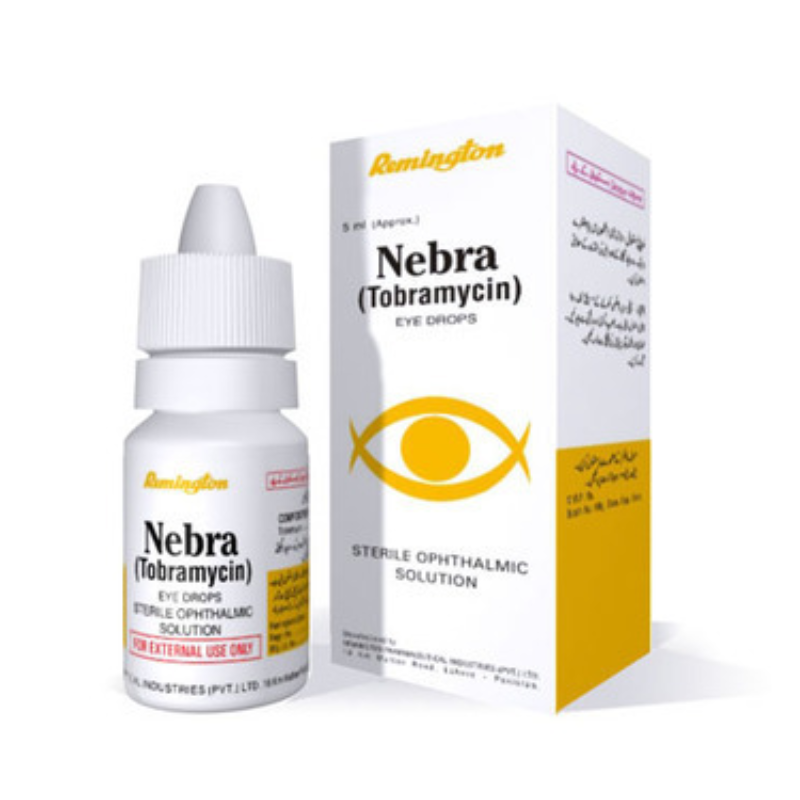
Nebra eye drops are antibiotic eye drops containing tobramycin, used to treat bacterial infections of the eye. Doctors prescribe Nebra eye drops for patients suffering from redness, discharge, irritation, and other symptoms linked to external eye infections. By targeting harmful bacteria directly in the affected area, Nebra drops help reduce infection quickly and prevent complications that may affect vision.
Nebra Eye Drops Price in Pakistan
The Nebra eye drops price in Pakistan can vary depending on the pharmacy location, city, distributor supply, and any updates issued by DRAP (Drug Regulatory Authority of Pakistan). Because medicine prices may change over time, it is always better to confirm the latest rate from a reliable pharmacy before purchasing.
Patients often compare antibiotic eye drop prices with other medicines, such as the Neurobion injection price in Pakistan, or even check the inj Neurobion price in Pakistan to understand general pharmacy price trends. However, eye drop pricing depends on different factors such as bottle size (e.g., 5ml), brand, and import status. To avoid outdated information, check with a verified source for the most recent Nebra eye drops price in Pakistan.
Composition & Ingredients of Nebra Eye Drops
Nebra eye drops contain Tobramycin as the active ingredient. It belongs to a class of medicines known as aminoglycoside antibiotics. The formulation is designed for topical ophthalmic use, meaning it acts directly on the eye surface where the infection is present. This targeted action helps control bacterial growth efficiently while limiting systemic absorption.
Tobramycin
Tobramycin is a broad-spectrum aminoglycoside antibiotic that works against many common bacteria responsible for eye infections. It acts by interfering with bacterial protein synthesis, which prevents the bacteria from multiplying and ultimately leads to their destruction. When bacteria are not controlled, infections such as conjunctivitis or keratitis may worsen and affect vision. The eye drop form is preferred in most mild to moderate infections because it delivers the antibiotic directly to the site of infection, reducing the need for systemic antibiotics.
How Nebra Eye Drops Work
After instillation, nebra eye drops spread across the tear film and penetrate the outer tissues of the eye. Since the medicine is applied locally, it does not need to pass through the digestive system. This direct application allows the antibiotic to reach effective concentrations at the infection site quickly.
Tobramycin binds to bacterial ribosomes and blocks the production of essential proteins required for bacterial survival. Without these proteins, bacteria cannot grow or repair themselves, and the infection gradually resolves. This mechanism is specific to bacteria and does not target viral or fungal infections.
Patients usually notice reduced redness, discharge, and irritation within a few days of regular use. However, the timeline varies depending on the severity of infection and individual response. It is important to complete the full course as prescribed, even if symptoms improve earlier, to prevent recurrence or resistance.
Uses & Indications – Who Should Use Nebra Eye Drops?
Nebra drop is primarily prescribed for bacterial infections affecting the external structures of the eye. These infections can cause discomfort, redness, and discharge, which may interfere with daily activities.
- Bacterial Conjunctivitis: Nebracare eye drops uses include treatment of pink eye caused by bacteria, helping reduce redness, discharge, and irritation.
- Blepharitis: Infections of the eyelids may respond to tobramycin when bacteria are involved.
- Keratitis (Superficial): Mild bacterial infection of the cornea may require antibiotic eye drops to prevent complications.
- Post-surgical Infection Prevention: Doctors may prescribe Nebra drops after certain eye procedures to reduce infection risk.
This is a prescription medicine, and a proper diagnosis by an eye specialist is necessary before starting treatment.
Dosage & Administration
The dosage of Nebra eye drops is always determined by a physician based on infection severity, patient age, and response to therapy. Self-adjusting the dose can reduce effectiveness or increase side effects.
Standard Adult Dosage
For mild to moderate infections, the usual recommendation is 1 to 2 drops in the affected eye every four hours. In severe infections, doctors may advise 2 drops every hour initially, then gradually reduce the frequency as improvement occurs. The dosing schedule should be strictly followed to maintain effective antibiotic levels.
Route of Administration
Nebra drops are for ophthalmic use only. Wash your hands before applying the drops, avoid touching the dropper tip to the eye or fingers, and gently close the eye after instillation. The medication is self-administered but should only be used under medical supervision.
Dosage for Special Populations
- Children: Pediatric dosing is usually similar but must be guided by a doctor.
- Elderly: No major dose adjustment is typically required, though monitoring is advised.
- Pregnancy: Use only if clearly prescribed by a physician.
- Breastfeeding Mothers: Consult a healthcare provider before using Nebra eye drops.
Side Effects of Nebra Eye Drops
Nebra eye drops are generally well-tolerated when used as directed. Most side effects are mild and temporary, especially when the treatment duration is short.
Common Side Effects
Some patients may experience mild local reactions, such as:
- Eye irritation: A brief burning or stinging sensation after applying the drops.
- Redness: Temporary increase in eye redness.
- Watery eyes: Increased tearing shortly after use.
- Itchy eyelids: Mild eyelid discomfort.
These effects usually resolve without stopping the medicine.
Less Common & Rare Side Effects
In rare cases, more serious reactions may occur:
- Allergic reactions: Swelling of the face or eyelids, rash, or hives.
- Severe eye inflammation: Persistent pain or worsening redness.
- Breathing difficulty: Extremely rare but requires urgent care.
If any severe symptoms appear, stop using the drops and seek medical attention immediately.
Precautions & Warnings
Before starting Nebra eye drops, patients should inform their doctor about any existing medical conditions and other medications they are using.
Drug Interactions
Although topical eye drops have limited systemic absorption, caution is advised when using other aminoglycoside antibiotics simultaneously. Combining similar antibiotics may increase the risk of sensitivity reactions. Inform your doctor about any other prescription or over-the-counter eye medicines.
Pregnancy & Breastfeeding
There is limited data regarding the use of tobramycin eye drops during pregnancy. It should only be used if the potential benefit outweighs the risk. Breastfeeding mothers should consult their physician before starting Nebra drops to ensure safety for the infant.
Allergy & Hypersensitivity
Patients allergic to tobramycin or other aminoglycosides should avoid using Nebracol eye drops. Signs of hypersensitivity include severe itching, swelling, or rash after application.
Special Medical Conditions
Individuals with a history of chronic eye disorders should inform their doctor before use. Prolonged use may lead to secondary infections caused by non-susceptible organisms.
Storage & Handling
Store Nebra eye drops at room temperature, away from direct light and excessive heat. Keep the bottle tightly closed when not in use and avoid moisture exposure. Once opened, the bottle should be used within the recommended time mentioned on the packaging. Dispose of expired or contaminated bottles safely and keep them out of reach of children.
Buy Now / Where to Get Nebra Eye Drops
Nebra eye drops provide targeted antibiotic treatment for bacterial eye infections, helping relieve redness, discharge, and irritation effectively. Since prices may change due to market and regulatory updates, always confirm the latest Nebra eye drops price in Pakistan from a trusted pharmacy before purchasing. For verified availability and updated pricing information, you can check with reliable healthcare platforms such as All Lab Tests.
FAQs About Nebra Eye Drops
1. What is the current Nebra eye drops price in Pakistan?
The price may vary depending on the pharmacy, city, and supplier updates. It is best to check the latest rate from a reputable pharmacy or healthcare platform before buying.
2. Can I use Nebra eye drops without a prescription?
No, Nebra eye drops are prescription antibiotics. Using them without proper diagnosis may delay correct treatment or worsen non-bacterial conditions.
3. How long does it take for Nebra eye drops to work?
Most patients notice improvement within a few days. However, full recovery depends on infection severity and adherence to the prescribed dosing schedule.
4. Are Nebra eye drops safe for newborns?
Nebra eye drops for newborns should only be used if specifically prescribed by a pediatrician. Newborn eye infections require careful medical evaluation.
5. What are the main Nebra eye drop uses?
The primary Nebra eye drops uses include treatment of bacterial conjunctivitis, eyelid infections, and other superficial bacterial eye infections.
6. Can I wear contact lenses while using Nebra drops?
It is generally recommended to avoid contact lenses during active eye infection and treatment. Ask your doctor when it is safe to resume lens use.
7. How should I store the nebra drop after opening?
Keep the bottle at room temperature, tightly closed, and away from sunlight. Discard it after the recommended period mentioned on the packaging to prevent contamination.
Reviews
There are no reviews yet.