
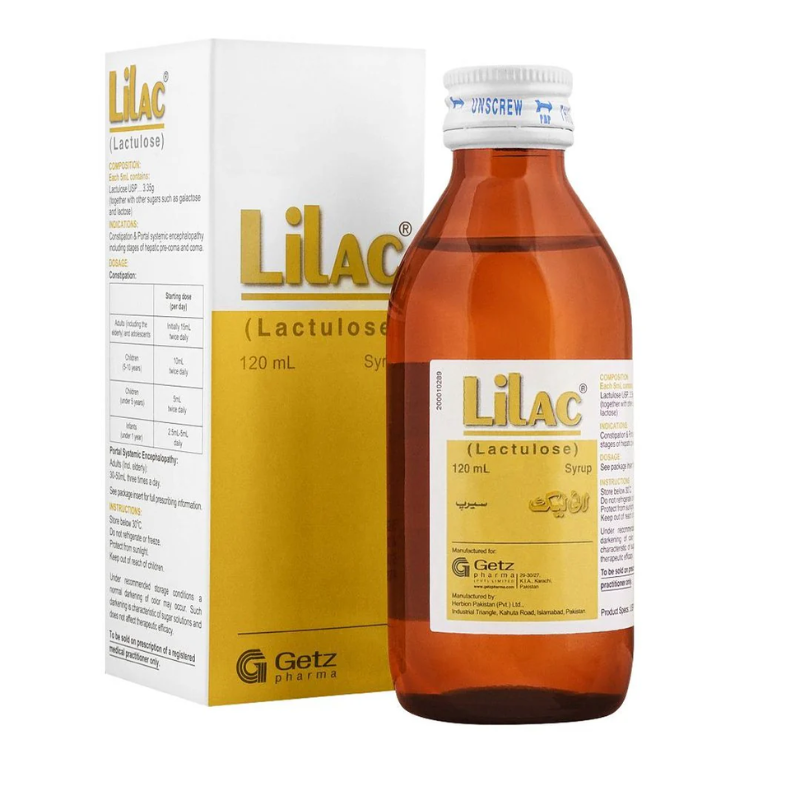
Lilac syrup is a commonly prescribed medicine in Pakistan for the management of constipation and related digestive discomfort. It is widely used by adults, children, and elderly patients with hard stools or irregular bowel movements, especially when dietary changes alone are not enough.
This syrup is known for its gentle action on the digestive system and is often recommended for long-term use under medical supervision. Many patients searching for this syrup use or lilac syrup for constipation are looking for a safe and effective laxative option that does not irritate the bowel.
Lilac Syrup Availability in Pakistan
Lilac syrup is widely available across Pakistan at leading pharmacies and online medical stores. It is commonly used for constipation management and digestive support and is usually available without a prescription. However, for long-term use or special medical conditions, consultation with a healthcare professional is recommended.
When purchasing this syrup, always ensure:
-
The product is from an authentic manufacturer
-
The packaging is sealed and undamaged
-
The expiry date is clearly visible
Buying from a trusted source ensures product quality, proper storage, and safe usage.
Composition / Ingredients
Lilac syrup contains Lactulose as its active ingredient. Lactulose is a synthetic sugar used medically as an osmotic laxative.
Key Ingredient and Its Role
-
Lactulose
-
Helps soften stools by drawing water into the bowel
-
Improves bowel movement frequency
-
Not absorbed into the bloodstream, making it safe for long-term use in many patients
-
Unlike vitamin-based syrups, lilac syrup does not contain vitamins or minerals. Its action is purely digestive, which is why it is frequently prescribed alongside other treatments, including vitamin therapies or injections when needed.
How Lilac Syrup Works
Lilac syrup works by increasing the water content in the stool. Lactulose passes undigested into the colon, where it is broken down by natural gut bacteria. This process creates an osmotic effect that pulls water into the bowel.
As a result:
-
Stools become softer
-
Bowel movements become easier and less painful
-
Straining during defecation is reduced
Because lactulose is not absorbed into the body, it works locally in the gut. This makes syrup lilac suitable for patients who require gentle and predictable relief from constipation, including those with liver-related conditions.
Uses / Indications of Lilac Syrup
Lilac syrup is prescribed for several digestive conditions. The most common lilac syrup uses include:
Constipation
-
Chronic constipation
-
Occasional constipation due to diet, inactivity, or medication
-
Constipation in elderly patients or after surgery
Hepatic Encephalopathy
-
Used to reduce ammonia levels in patients with liver disease
-
Helps improve mental clarity in liver-related conditions
Other Beneficial Uses
-
Stool softening in patients with hemorrhoids or anal fissures
-
Constipation during pregnancy (only under doctor advice)
-
Constipation caused by iron supplements or pain medications
Patients often search for syp lilac when they need a reliable option for regular bowel regulation without harsh stimulant laxatives.
Dosage & Administration
The dosage of lilac syrup depends on age, medical condition, and response to treatment. Always follow your doctor’s instructions.
General Dosage Guidelines
-
Adults:
-
Initial dose: 15 ml twice daily
-
Maintenance dose may be adjusted to achieve 2-3 soft stools per day
-
-
Children:
-
Under 1 year: 2.5 ml twice daily
-
1-4 years: 5 ml twice daily
-
5-10 years: 10 ml twice daily
-
How to Take Lilac Syrup Safely
-
Can be taken with or without food
-
Measure dose using a proper measuring cup or spoon
-
Drink plenty of fluids during treatment
-
Do not exceed the prescribed dose unless advised by a doctor
Consistency is important. Skipping doses or taking irregular amounts may reduce effectiveness.
Side Effects of Lilac Syrup
Like all medicines, lilac syrup may cause side effects, although not everyone experiences them.
Common Side Effects
-
Flatulence (gas)
-
Mild abdominal discomfort
-
Nausea
-
Bloating
Less Common or Rare Side Effects
-
Diarrhea (especially with high doses)
-
Vomiting
-
Electrolyte imbalance due to prolonged diarrhea
-
Abdominal cramps
If severe diarrhea or dehydration occurs, stop the medicine and consult a healthcare professional immediately.
Precautions & Warnings
Before using lilac syrup, certain precautions should be kept in mind to ensure safety.
Who Should Be Careful
-
Patients with unexplained abdominal pain
-
Individuals with lactose intolerance
-
Diabetic patients (contain sugar)
-
Patients with severe dehydration
Drug Interactions
Lilac syrup may interact with:
-
Thiazide diuretics
-
Steroids
-
Aminoglycoside antibiotics
-
Amphotericin B
Pregnancy & Breastfeeding
-
Use during pregnancy only if prescribed by a doctor
-
Generally considered safe, but medical advice is necessary
Special Warnings
-
Drink sufficient water (around 2 liters daily)
-
Monitor hydration status, especially in elderly patients
-
Diabetic patients using this syrup for hepatic encephalopathy may require adjustment of anti-diabetic medicines
Storage & Handling
Proper storage helps maintain the effectiveness of this syrup.
-
Store at room temperature
-
Keep away from direct sunlight and heat
-
Do not freeze
-
Keep out of reach of children
-
Always check the expiry date before use
Lilac Syrup vs Other Digestive & Vitamin Treatments
Lilac syrup is often compared indirectly with vitamin-based therapies because both may be used in patients with weakness or chronic illness.
For example:
-
Patients with nerve weakness may receive neurobion injection
-
Those checking the neurobion injection price in Pakistan or inj neurobion price in Pakistan are usually managing vitamin B deficiencies, not constipation.
-
Neurobion inj and vitamin B12 injection price in Pakistan are unrelated to bowel regulation, but may be prescribed alongside this syrup in certain patients.
Unlike injections, this syrup focuses purely on digestive health and stool regulation. Each treatment has a separate role and should not be substituted without medical advice.
Buy Lilac Syrup Online in Pakistan
If you are looking to buy lilac syrup online in Pakistan, choosing a reliable and verified platform is important for your safety and treatment effectiveness. Online ordering offers convenience, access to genuine medicines, and complete product information in one place.
Why Choose Lilac Syrup?
-
Commonly recommended for constipation relief.
-
Suitable for adults, children, and elderly patients (with proper guidance)
-
Gentle laxative that works without irritating the intestines
-
Often used for long-term bowel regulation under medical supervision
By ordering online, you can easily review usage instructions, dosage guidelines, and safety precautions before use. This is especially helpful for patients searching for lactulose-based syrup uses, lilac, or lilac syrup for constipation.
For added confidence, always purchase from a trusted medical platform such as All Lab Tests, where product authenticity and proper handling are prioritized.
Frequently Asked Questions (FAQs)
1. What is lilac syrup mainly used for?
This syrup is mainly used to treat constipation by softening stools and improving bowel movements.
2. Is lilac syrup safe for daily use?
Yes, it can be used daily if prescribed by a doctor, especially in chronic constipation or hepatic encephalopathy.
3. How long does lilac syrup take to work?
It usually starts working within 6-12 hours, but in some people, it may take up to 24 hours.
4. Can children take syp lilac?
Yes, lactulose-based syrup can be given to children in age-appropriate doses as advised by a doctor.
5. Does lilac syrup cause dependency?
No, lactulose is not habit-forming when used correctly under medical supervision.
6. Can diabetic patients use lilac syrup?
Diabetic patients can use it, but blood sugar monitoring is important due to its sugar content.
7. Is lilac syrup available without a prescription in Pakistan?
Yes, lactulose-based syrup is generally available without a prescription, but medical advice is still recommended for long-term use.
Reviews
There are no reviews yet.