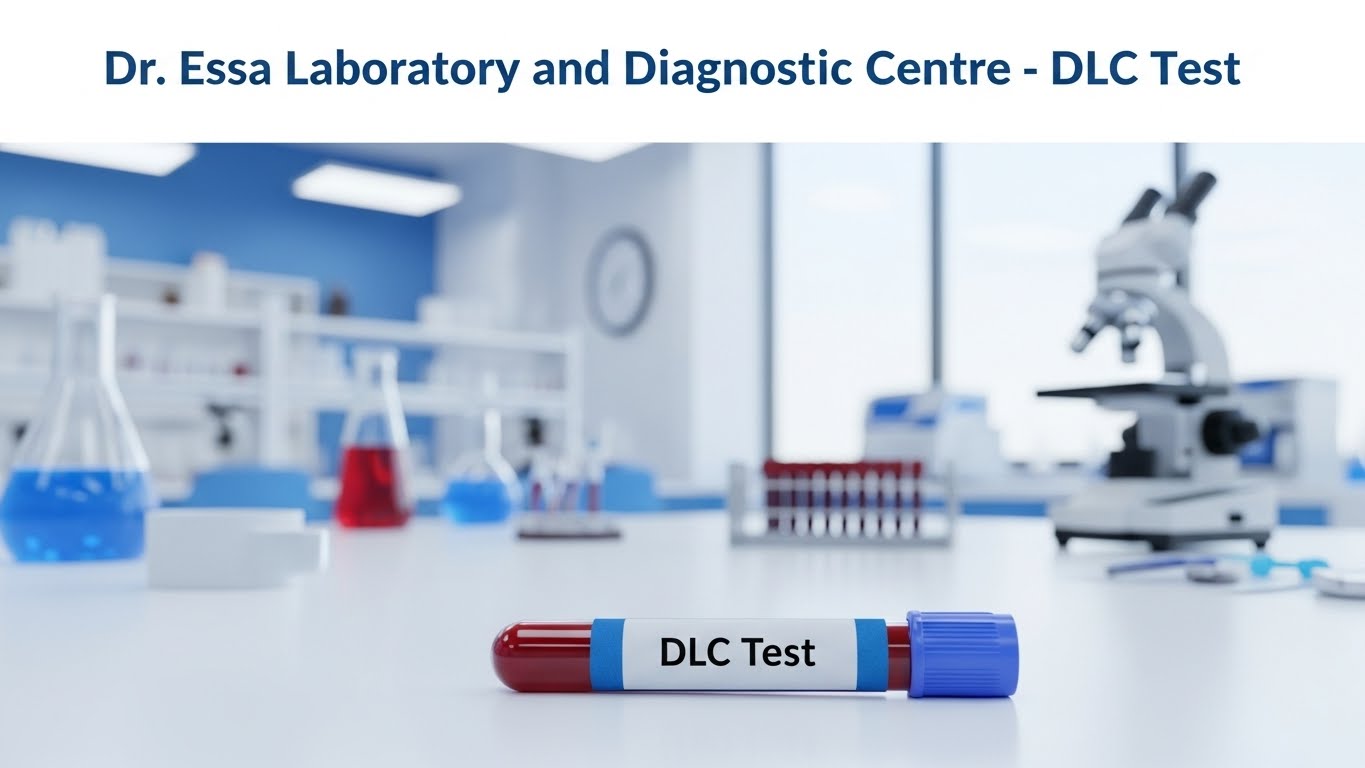
The DLC test is a crucial blood test used to evaluate the differential count of white blood cells (WBCs) in the human body. White blood cells play a vital role in defending the body against infections, viruses, and other diseases. By measuring the proportion of different types of WBCs, the DLC test provides essential insight into the immune system’s health and helps doctors detect various infections, inflammations, or blood-related disorders.
At Dr. Essa Laboratory and Diagnostic Centre, patients can rely on accurate and timely results thanks to state-of-the-art equipment and trained medical professionals. Known for maintaining high standards in diagnostics, Dr. Essa ensures that each DLC test is conducted with precision and professionalism. Whether it’s for routine health checkups, monitoring ongoing infections, or evaluating blood disorders, the DLC test is an indispensable diagnostic tool.
If your doctor has recommended a DLC test, understanding its purpose, preparation, procedure, and report interpretation is essential. This article provides a complete guide to the DLC test at Dr. Essa Laboratory, including cost, normal values, and booking information.
What is the DLC Test?
DLC stands for Differential Leukocyte Count. It measures the percentage of different types of white blood cells in your blood, including:
- Neutrophils: fight bacterial infections
- Lymphocytes: help in immune response against viruses
- Monocytes: remove dead cells and fight pathogens
- Eosinophils: involved in allergic reactions and parasitic infections
- Basophils: play a role in inflammatory reactions
Doctors often recommend a DLC test along with a complete blood count (CBC) to assess immune function and detect conditions such as:
- Bacterial or viral infections
- Allergic reactions
- Blood disorders like leukemia or anemia
- Autoimmune diseases
By providing detailed information about the immune system, the DLC test is invaluable for both diagnosis and monitoring treatment effectiveness.
Why is the DLC Test Important?
The DLC test is essential because it helps identify changes in the immune system before they manifest as visible symptoms. A slight imbalance in WBC types can indicate an underlying infection or inflammation, prompting timely intervention.
For instance:
- High neutrophil counts may indicate bacterial infections.
- High lymphocyte counts may suggest viral infections.
- Abnormal eosinophil counts can point to allergies or parasitic infestations.
- Monocyte or basophil irregularities may reveal chronic inflammation or rare blood disorders.
Early detection of these conditions can significantly improve treatment outcomes, making the DLC test an important tool for preventive health care.
When Should You Get a DLC Test?
Your doctor may recommend a DLC test in the following situations:
- Persistent fever or infection symptoms
- Monitoring recovery from bacterial or viral infections
- Unexplained fatigue or anemia
- Routine health screening to check immune system health
- Monitoring patients undergoing chemotherapy or other immune-impacting treatments
The DLC test is often performed alongside a CBC test for a comprehensive blood profile.
How to Prepare for a DLC Test?
The DLC test is simple and requires minimal preparation:
- Fasting: Not required in most cases, but follow your doctor’s advice if combined with other tests.
- Medications: Inform your doctor about ongoing medications, especially steroids or immune-modifying drugs.
- Hydration: Drink adequate water before the test to facilitate easy blood collection.
- Rest: Avoid strenuous exercise just before the test as it may temporarily alter WBC counts.
Following these steps ensures accurate and reliable results.
How is the DLC Test Performed at Dr. Essa Laboratory?
The DLC test is a blood-based diagnostic test. Here’s how it is performed at Dr. Essa Laboratory:
- Sample Collection: A trained phlebotomist collects a small blood sample from the patient’s vein, usually in the arm.
- Labeling and Handling: The sample is carefully labeled and sent to the laboratory for analysis.
- Automated Analysis: Advanced hematology analyzers count the total WBCs and determine the percentage of each leukocyte type.
- Microscopic Examination: For more precise evaluation, a skilled lab technician may examine a blood smear under a microscope.
- Report Preparation: Results are compiled into a detailed report, showing the differential count and any abnormalities.
Dr. Essa Laboratory emphasizes privacy, professionalism, and high accuracy standards, ensuring patients receive trustworthy results.
DLC Test Report & Normal Values
A DLC test report shows the percentage of each WBC type in the blood. Below are standard normal ranges (these may vary slightly depending on the lab and patient age):
| WBC Type | Normal Range (%) |
| Neutrophils | 40-60 |
| Lymphocytes | 20-40 |
| Monocytes | 2-8 |
| Eosinophils | 1-6 |
| Basophils | 0.5-1 |
Interpreting Results:
- High or low percentages may indicate infections, allergies, immune disorders, or hematological conditions.
- Abnormal results require consultation with a doctor for proper diagnosis and treatment.
Remember: Only a healthcare professional can interpret the DLC test report accurately in the context of your overall health.
Understanding Abnormal Results
Abnormal DLC test results may arise due to several reasons:
- Neutrophilia: Elevated neutrophils, bacterial infections, inflammation, stress
- Neutropenia: Low neutrophils, viral infections, chemotherapy, bone marrow disorders
- Lymphocytosis: High lymphocytes, viral infections, chronic lymphocytic leukemia
- Lymphopenia: Low lymphocytes, HIV infection, immunodeficiency
- Eosinophilia: High eosinophils, allergies, parasitic infections
Consulting a doctor is crucial if your results are outside the normal range. Additional tests may be recommended to pinpoint the exact cause.
How to Support Healthy White Blood Cell Levels
While medical conditions may require treatment, maintaining a healthy immune system can help support normal WBC counts:
- Balanced diet: Include fruits, vegetables, lean protein, and nuts rich in vitamins and minerals
- Regular exercise: Moderate physical activity boosts immunity
- Adequate sleep: Helps the body recover and maintain healthy immune function
- Stress management: Chronic stress can lower WBC counts
- Avoid smoking and excess alcohol: Both can negatively impact immune health
These lifestyle measures are complementary and should be discussed with a healthcare provider.
DLC Test Cost at Dr. Essa Laboratory
The DLC test cost at Dr. Essa Laboratory and Diagnostic Centre is Rs. 550. This price is affordable and transparent, with no hidden charges.
Booking your DLC test is convenient: you can schedule online through All Lab Tests and visit the nearest Dr. Essa Laboratory branch for sample collection.
Dr. Essa Laboratory DLC Test Price in Pakistan
Looking for the Dr. Essa Laboratory DLC Test Price in Pakistan? You can easily find it for Rs. 550. Booking is simple through online platforms, ensuring fast and reliable testing.
Visiting a trusted diagnostic center like Dr. Essa Laboratory guarantees professional handling of your blood sample and accurate reporting, making it a preferred choice for healthcare in Pakistan.
Where to Book DLC Test in Pakistan
If you’re searching for “DLC test near me”, Dr. Essa Laboratory is widely recognized across Pakistan for its reliable services.
You can compare DLC test cost in Pakistan, check the latest Dr. Essa Laboratory test charges 2026, and select the most convenient branch through All Lab Tests.
Booking online ensures minimal waiting time and seamless service, especially for patients in busy cities like Karachi, Lahore, and Islamabad.
Book Your DLC Test at Dr. Essa Laboratory
Book your DLC test today at Dr. Essa Laboratory through All Lab Tests and get fast, accurate results from a trusted diagnostic center in Pakistan.
- Convenient online booking
- Professional sample collection
- Trusted lab for accurate reports
Take charge of your health today by scheduling a DLC test and understanding your immune system better. Early detection and monitoring can make a significant difference in managing infections and maintaining overall wellness.