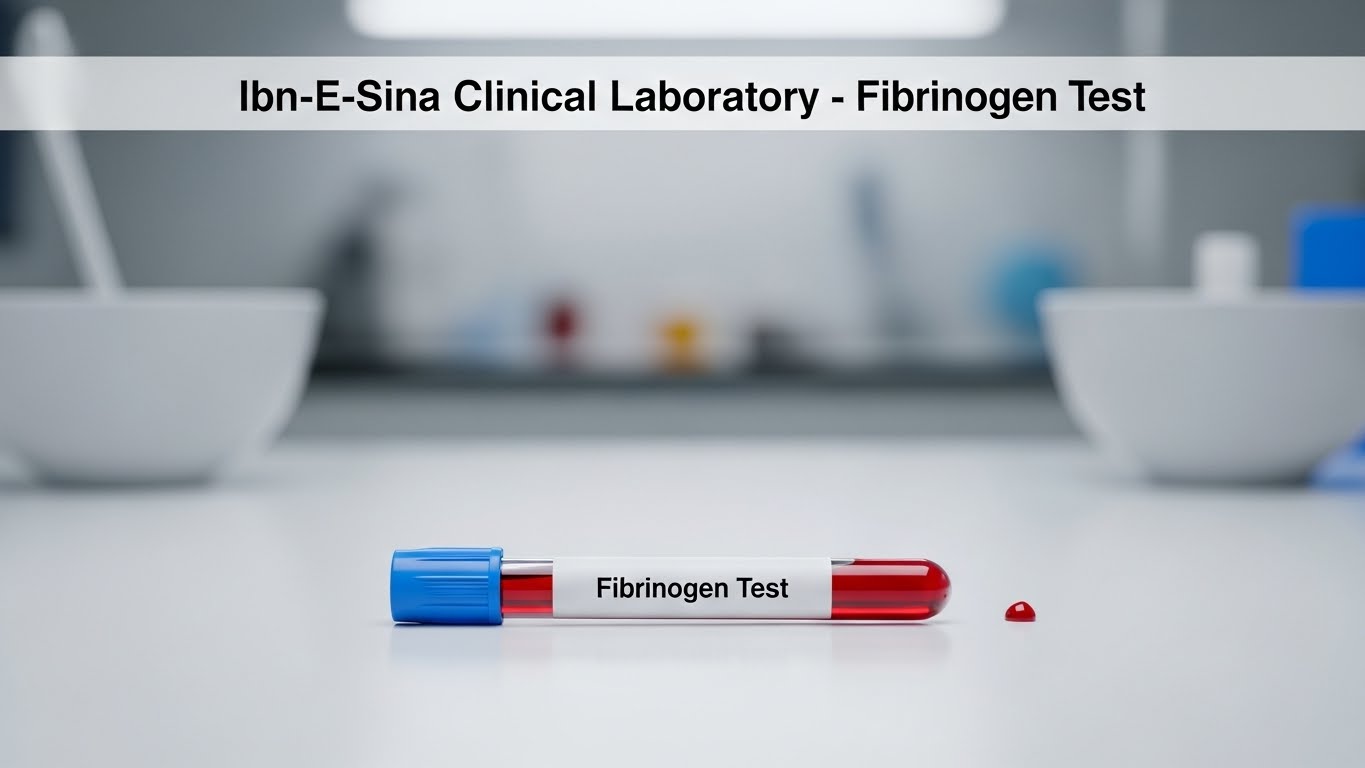
The Fibrinogen Test is an important blood test used to evaluate the body’s ability to form blood clots properly. Fibrinogen, also known as Factor I, is a vital plasma protein produced by the liver and plays a central role in the clotting (coagulation) process. Any abnormal level of fibrinogen can increase the risk of excessive bleeding or unwanted clot formation, making this test highly significant in clinical diagnosis and patient management.
At Ibn-E-Sina Clinical Laboratory, the Fibrinogen test is performed using advanced diagnostic methods to ensure accuracy, reliability, and timely reporting. Ibn-E-Sina is one of Pakistan’s most trusted diagnostic lab networks, known for maintaining international quality standards, experienced pathologists, and state-of-the-art equipment. Patients across major cities rely on Ibn-E-Sina for precise blood coagulation testing.
Doctors commonly recommend the Fibrinogen test to assess bleeding disorders, clotting problems, liver disease, cardiovascular risk, and inflammatory conditions. Whether used for diagnosis, monitoring ongoing treatment, or pre-surgical assessment, this test provides critical insights into a patient’s coagulation health.
What is the Fibrinogen Test?
The Fibrinogen Test measures the level or activity of fibrinogen in the blood. Fibrinogen is a soluble protein that is converted into fibrin during the clotting process, helping stop bleeding when blood vessels are injured.
This test is also commonly known as:
- Factor I Assay
- Fibrinogen Activity (Functional)
- Fibrinogen Antigen
- Cardiac Fibrinogen
Doctors may order this test to determine whether fibrinogen levels are too low or too high. Low fibrinogen levels may lead to excessive bleeding, while high levels can increase the risk of abnormal clot formation, stroke, or heart disease.
The Fibrinogen test is often performed as part of a broader coagulation profile or in combination with tests such as PT, APTT, D-dimer, and platelet count.
Why is the Fibrinogen Test Important?
The Fibrinogen test is important because fibrinogen plays a key role in maintaining normal blood clotting. Any imbalance can have serious health consequences.
This test helps in:
- Diagnosing bleeding disorders
- Detecting clotting abnormalities
- Assessing liver function, as fibrinogen is produced in the liver
- Monitoring disseminated intravascular coagulation (DIC)
- Evaluating cardiovascular disease risk
- Identifying chronic inflammation or infection
Elevated fibrinogen levels are associated with heart disease, stroke, and inflammatory conditions, while low levels may indicate liver disease, genetic disorders, or severe bleeding risk. Because of its clinical importance, doctors trust this test to guide treatment decisions and preventive care.
When Should You Get a Fibrinogen Test?
A doctor may recommend a Fibrinogen test in the following situations:
- Unexplained or excessive bleeding
- Frequent bruising
- Suspected blood-clotting disorders
- Before major surgery or invasive procedures
- Monitoring known coagulation disorders
- Evaluation of liver disease
- Symptoms of cardiovascular disease
- Suspected DIC or sepsis
- Follow-up of abnormal PT or APTT results
This test may also be advised during pregnancy complications, inflammatory conditions, or when monitoring patients on anticoagulant therapy.
How to Prepare for the Fibrinogen Test?
Preparing for the Fibrinogen test at Ibn-E-Sina Clinical Laboratory is usually simple and patient-friendly.
General preparation guidelines include:
- Fasting: Usually not required unless combined with other blood tests
- Medications: Inform your doctor about blood thinners, aspirin, or anticoagulants
- Hydration: Drink water unless advised otherwise
- Avoid smoking: Smoking before the test may affect results
- Follow medical advice: Always follow specific instructions given by your doctor
In most cases, no special preparation is needed, making it a convenient and quick test.
How is the Fibrinogen Test Performed at Ibn-E-Sina Clinical Laboratory?
The Fibrinogen test at Ibn-E-Sina is performed with strict quality control and professional care.
Step-by-Step Process:
- Sample Type: Blood sample
- Collection: A trained phlebotomist draws blood from a vein, usually from the arm
- Sterile Technique: Single-use needles and sterile equipment are used
- Laboratory Analysis: The blood sample is analyzed using standardized coagulation analyzers
- Quality Checks: Results are verified by qualified lab professionals
- Report Generation: Accurate and clear reports are issued
Ibn-E-Sina ensures patient comfort, privacy, and safety during the entire process.
Fibrinogen Test Report & Normal Values
The Fibrinogen test report shows the concentration or activity of fibrinogen in the blood.
Normal Fibrinogen Values
| Test Parameter | Normal Range |
| Fibrinogen (Adult) | 200 – 400 mg/dL |
Note: Normal ranges may vary slightly depending on laboratory methods.
Interpretation of Results:
- Low Fibrinogen: Increased bleeding risk
- High Fibrinogen: Increased clotting and cardiovascular risk
Always consult a doctor for proper interpretation, as lab values must be correlated with clinical findings.
Understanding Abnormal Fibrinogen Results
Low Fibrinogen Levels May Indicate:
- Liver disease
- Disseminated intravascular coagulation (DIC)
- Genetic fibrinogen deficiency
- Severe blood loss
- Certain medications
High Fibrinogen Levels May Indicate:
- Chronic inflammation
- Infections
- Heart disease
- Stroke risk
- Pregnancy
- Smoking-related changes
Abnormal results often require further testing and medical consultation for accurate diagnosis and treatment planning.
How to Improve Blood Clotting Health Naturally
While treatment depends on the underlying condition, some lifestyle measures may help support healthy fibrinogen levels:
- Maintain a balanced diet
- Manage chronic inflammation
- Quit smoking
- Stay physically active
- Control cholesterol and blood pressure
- Follow prescribed medications carefully
Always consult your doctor before making lifestyle or medication changes.
Fibrinogen Test Cost at Ibn-E-Sina Clinical Laboratory
The Fibrinogen test cost at Ibn-E-Sina Clinical Laboratory is Rs. 2000. This affordable price makes it accessible for patients who require reliable coagulation testing. You can conveniently book the test online and visit the nearest Ibn-E-Sina branch for sample collection.
The Ibn-E-Sina Fibrinogen test price is clearly listed, with no hidden charges, ensuring transparency and trust.
Ibn-E-Sina Fibrinogen Test Price in Pakistan
The Ibn-E-Sina Fibrinogen Test Price in Pakistan is Rs. 2000. Patients across major cities can easily book this test through All Lab Tests and choose the nearest Ibn-E-Sina Clinical Laboratory for sample collection.
With standardised procedures and accurate reporting, Ibn-E-Sina remains one of the best labs for Fibrinogen testing in Pakistan.
Where to Book a Fibrinogen Test in Pakistan?
Looking for “Fibrinogen test near me”?
You can easily:
- Compare the Fibrinogen test cost in Pakistan
- Check Ibn-E-Sina test charges 2026
- View test details and preparation guidelines
- Book online through All Lab Tests
This platform helps you choose a trusted lab, save time, and ensure accurate diagnostics.
Book Your Fibrinogen Test at Ibn-E-Sina Clinical Laboratory
Book your Fibrinogen test at Ibn-E-Sina Clinical Laboratory today through All Lab Tests and get accurate, reliable results from one of Pakistan’s most trusted diagnostic centres.
Enjoy:
- Easy online booking
- Affordable test charges
- Professional sample collection
- Fast and accurate reports
- Nationwide lab network
Take control of your health today. Book your Fibrinogen (Factor I Assay) test with confidence and care.