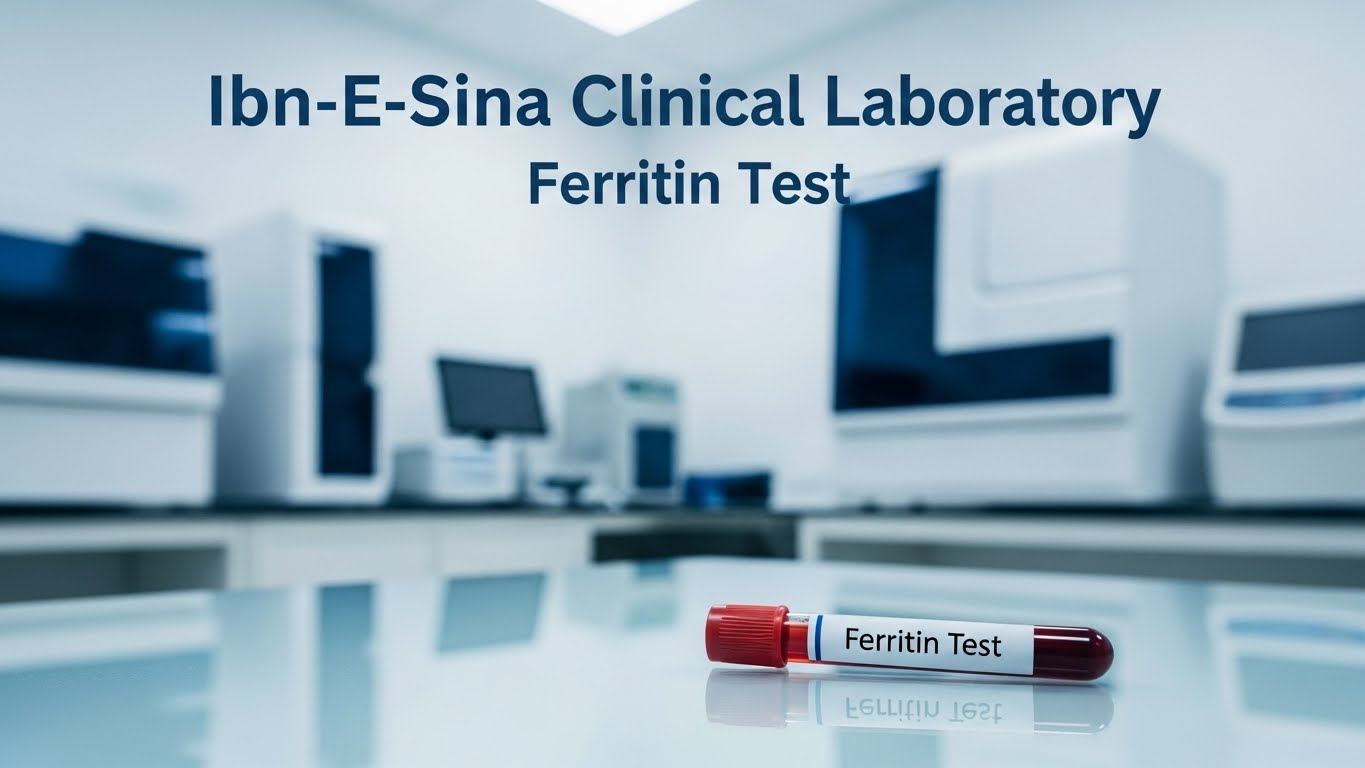
Iron plays a vital role in energy production, immunity, oxygen transport, and overall health. When your body’s iron reserves drop or rise beyond normal limits, it can lead to significant health concerns. One of the most reliable ways to assess iron storage is the Ferritin Test, which measures the ferritin protein that stores iron inside your cells. Abnormal levels can indicate conditions such as iron deficiency, anemia, liver disorders, or inflammation.
At Ibn-E-Sina Clinical Laboratory, this important test is performed using modern equipment and standardized procedures to ensure accuracy. The lab is well-known across Pakistan for providing dependable diagnostic services, timely reports, and professional care. Whether your doctor suspects iron deficiency or wants to monitor a chronic illness, getting a ferritin test from a trusted diagnostic center like Ibn-E-Sina ensures confidence in your results.
This comprehensive guide explains everything you need to know about the Ferritin Test at Ibn-E-Sina Clinical Laboratory – including preparation steps, the testing procedure, interpretation of results, pricing, and booking options.
What is a Ferritin Test?
A ferritin test measures the concentration of ferritin in your blood. Ferritin is a protein that stores iron and releases it when your body needs it. Because ferritin reflects how much iron is stored, this test is essential for assessing iron balance.
Doctors recommend this test to investigate symptoms such as fatigue, dizziness, pale skin, weakness, irregular heartbeat, or unexplained hair loss. It is also used for diagnosing anemia, iron overload disorders, and chronic inflammatory conditions. People undergoing treatment for iron deficiency may be asked to take this test regularly to monitor progress.
By checking ferritin levels, healthcare providers can determine whether the body is lacking iron, storing too much, or experiencing inflammation that affects iron metabolism.
Why is a Ferritin Test Important?
Iron is fundamental for red blood cell production and the delivery of oxygen to tissues. When iron levels are low, your body struggles to function efficiently. If iron is excessively stored, it can damage organs and cause long-term complications.
The ferritin test is important because it helps:
-
Detect iron deficiency before it progresses to severe anemia
-
Identify conditions like hemochromatosis, where the body absorbs too much iron
-
Monitor chronic illnesses that can influence iron storage
-
Guide doctors in adjusting iron supplements or treatment plans
-
Support diagnosis when symptoms are vague or unexplained
It is one of the most accurate early indicators of iron imbalance, helping prevent severe fatigue, weakened immunity, or organ damage.
When Should You Get a Ferritin Test?
Doctors may recommend a ferritin test for several reasons, including:
-
Persistent tiredness or weakness
-
Shortness of breath during routine activities
-
Pale skin or frequent headaches
-
Hair thinning or excessive hair fall
-
Restless leg syndrome
-
Symptoms of chronic inflammation or infection
-
Monitoring iron therapy
-
Pre-surgical evaluation
-
Pregnancy, where iron demand increases
People with chronic kidney disease, hypothyroidism, or liver disorders often need this test to track underlying changes in iron storage.
If you experience any symptoms related to an iron imbalance, your doctor may advise getting this test at a reliable diagnostic center like Ibn-E-Sina Clinical Laboratory.
How to Prepare for a Ferritin Test?
The preparation is simple and requires minimal steps:
-
Fasting: Generally, fasting is not required. However, if your doctor has ordered additional tests, fasting might be recommended.
-
Supplements: Avoid taking iron supplements 24 hours before testing unless your doctor instructs otherwise.
-
Hydration: Drink water before the test to make blood collection easier.
-
Recent illness: Inform your doctor if you have a fever or infection, as these can temporarily raise ferritin levels.
-
Medicines: Share details about all medications, especially vitamins or iron-rich supplements.
Proper preparation helps ensure accurate and reliable results.
How the Ferritin Test is Performed at Ibn-E-Sina Clinical Laboratory
The procedure is quick, safe, and conducted by trained professionals.
-
Registration: You begin by providing basic information at the reception or through online booking.
-
Sample Collection: A phlebotomist cleans the skin and draws a small blood sample from a vein in your arm.
-
Laboratory Processing: The blood sample is analyzed using advanced immunoassay systems, ensuring accuracy and precision.
-
Report Preparation: Results are reviewed and compiled into a clear, easy-to-understand report.
-
Report Delivery: You can collect your report in person or access it online.
Ibn-E-Sina Clinical Laboratory maintains strict quality control to ensure dependable results for every patient.
Ferritin Test Report & Normal Values
Below are commonly accepted reference ranges for ferritin levels:
| Category | Normal Range (ng/mL) |
|---|---|
| Adult Men | 20 – 500 |
| Adult Women | 20 – 200 |
| Children | 7 – 140 |
| Infants | 50 – 200 |
| Pregnant Women | 10 – 150 |
Understanding Results
-
Lower-than-normal levels often indicate iron deficiency, blood loss, pregnancy-related deficiency, or dietary insufficiency.
-
Higher levels may point to liver disease, chronic inflammation, iron overload disorders, or infections.
Ferritin levels must always be interpreted by a qualified doctor who will consider your symptoms, diet, and overall health.
Understanding Abnormal Results
Low Ferritin Levels
Low readings usually suggest reduced iron stores. Possible causes include:
-
Poor dietary intake
-
Heavy menstrual cycles
-
Gastrointestinal bleeding
-
Pregnancy
-
Malabsorption disorders
-
Long-term blood donation
Low ferritin can cause fatigue, limited endurance, and compromised immunity.
High Ferritin Levels
Elevated levels can result from:
-
Hemochromatosis
-
Liver disease
-
Excessive iron supplements
-
Chronic infections or inflammation
-
Thyroid disorders
High ferritin may cause joint pain, abdominal discomfort, and heart complications if not treated.
How to Support Healthy Iron Levels (Diet & Lifestyle)
Maintaining balanced iron levels supports overall well-being. Here are some simple tips:
-
Eat iron-rich foods: Meat, fish, lentils, nuts, spinach, chickpeas.
-
Increase vitamin C intake: Enhances iron absorption (oranges, kiwi, tomatoes).
-
Cook in iron cookware: May naturally increase iron content in food.
-
Avoid tea/coffee with meals: These can reduce iron absorption.
-
Use supplements cautiously: Only when prescribed.
-
Regular check-ups: Especially for individuals with chronic illnesses.
Ferritin Test Cost at Ibn-E-Sina Clinical Laboratory
The Ferritin Test cost at Ibn-E-Sina Clinical Laboratory is Rs. 1,800. This fee includes blood collection, laboratory processing, and the final report.
You can book the test online or visit the nearest Ibn-E-Sina branch. The Rs. 1,800 charge is consistent, offering affordable diagnostics for patients across Pakistan.
Ibn-E-Sina Clinical Laboratory Ferritin Test Price in Pakistan
The Ibn-E-Sina Clinical Laboratory Ferritin Test price in Pakistan is Rs. 1,800. Whether you’re checking for iron deficiency or monitoring treatment progress, this affordable pricing makes it accessible for all patients.
Through All Lab Tests, you can compare ferritin test prices, view current lab charges, and book the test conveniently.
Where to Book a Ferritin Test in Pakistan
If you are searching for “Ferritin Test near me”, you can easily compare prices and book the test online through All Lab Tests. This platform allows you to:
-
View Ibn-E-Sina test rates
-
Check nearby locations
-
Schedule appointments
-
Receive timely reports
It’s a convenient way to find the best diagnostic options in your city.
Book Your Ferritin Test at Ibn-E-Sina Clinical Laboratory
Take charge of your health today by booking your ferritin test through All Lab Tests. Enjoy fast results, professional sample collection, and trusted reporting from Ibn-E-Sina Clinical Laboratory. Early testing helps detect iron-related problems before they become serious, ensuring better long-term health.