
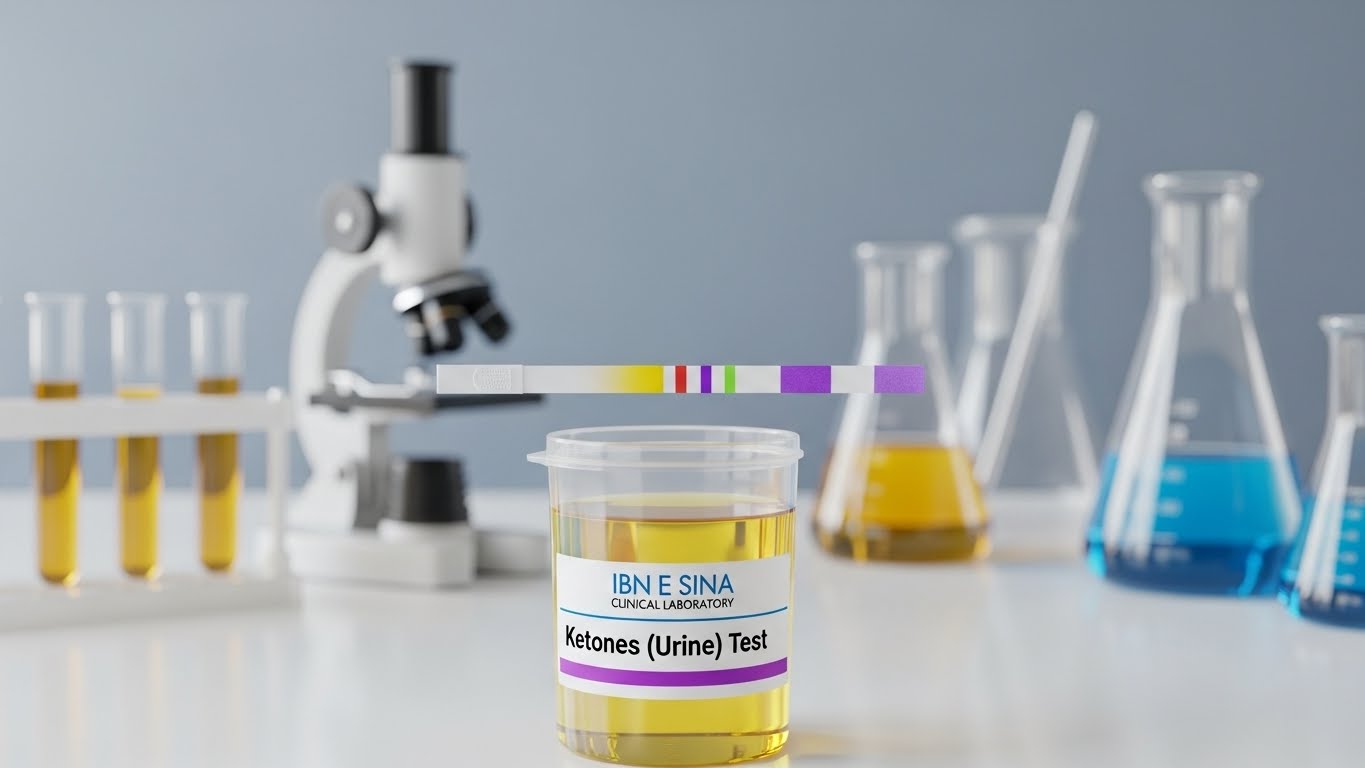
The Ketones (Urine) Test is one of the most commonly recommended diagnostic tests for people experiencing symptoms related to diabetes, metabolic disorders, or unusual weight loss. This simple yet highly informative test measures the amount of ketones your body is producing and excreting through urine. High ketone levels can indicate that the body is burning fat instead of glucose for energy something that may occur during uncontrolled diabetes, fasting, dieting, or other metabolic changes.
At Ibn e Sina Clinical Laboratory, this test is performed using internationally approved testing methods, ensuring accuracy, precision, and fast reporting. Known as one of Pakistan’s most reputable and widely trusted diagnostic networks, Ibn e Sina Clinical Laboratory offers advanced urine analysis services along with highly trained laboratory professionals.
Whether your doctor has advised you to get the Ketones (Urine) Test due to diabetes symptoms, unexplained nausea, fatigue, or to monitor your ketogenic diet, getting tested at a reliable diagnostic center like Ibn e Sina Clinical Laboratory ensures you receive the correct information about your health.
If you’re looking for the Ketones (Urine) Test price, report details, preparation guide, or booking information, this complete guide will walk you through everything you need to know before getting tested.
What is the Ketones (Urine) Test?
The Ketones (Urine) Test measures the presence and quantity of ketone bodies in your urine. Ketones are chemicals produced when your body breaks down fats for energy instead of glucose. This can happen when:
- Insulin levels are too low
- Your body is unable to use glucose properly
- You are fasting or following a low-carb diet
- You are experiencing prolonged vomiting or diarrhea
Common medical uses of the test include:
- Diagnosing diabetic ketoacidosis (DKA) a medical emergency in diabetes
- Monitoring diabetes control in type 1 and type 2 patients
- Assessing starvation or malnutrition
- Monitoring ketogenic diet effects
- Checking metabolic function
- Evaluating unexplained nausea or vomiting
Doctors recommend the Ketones (Urine) Test when a patient shows symptoms that signal dangerous changes in blood sugar or metabolism.
Why is the Ketones (Urine) Test Important?
The Ketones (Urine) Test plays a critical role in identifying potentially life-threatening conditions. High ketone levels can alert doctors to evaluate for:
Diabetic Ketoacidosis (DKA):
A severe complication of diabetes that occurs when the body starts breaking down fat too rapidly. This makes blood acidic and can be fatal if not treated immediately.
Poor Diabetes Control:
High ketones often appear when insulin levels are not sufficient, especially in type 1 diabetes.
Nutritional or Metabolic Issues:
Starvation, extreme dieting, vomiting, or digestive disorders also cause elevated ketone production.
Monitoring Ketogenic Diet:
People on keto diets often check ketone levels to ensure they are in ketosis.
Because of its role in detecting early signs of metabolic imbalance, the Ketones (Urine) Test at Ibn e Sina Clinical Laboratory is essential for timely diagnosis and effective medical intervention.
When Should You Get a Ketones (Urine) Test?
Doctors generally recommend this test when patients experience symptoms such as:
- Excessive thirst
- Frequent urination
- Rapid weight loss
- Nausea or vomiting
- Fruity-smelling breath
- Persistent fatigue
- Abdominal pain
- Confusion or dizziness
You may also need the test if you:
- Have diabetes and your blood sugar levels are consistently above 250 mg/dL
- Are on insulin and experiencing infections, stress, or illness
- Are following a low-carb or ketogenic diet
- Are pregnant (to rule out ketoacidosis during severe morning sickness)
Regular monitoring is crucial for diabetic patients to avoid dangerous complications.
How to Prepare for the Ketones (Urine) Test?
Good news the Ketones (Urine) Test usually requires no special preparation. However, for most accurate results, consider the following tips:
Preparation Guidelines:
- No fasting required: You can eat normally unless advised otherwise by your doctor.
- Avoid excessive exercise: Intense workouts may temporarily increase ketone levels.
- Inform your doctor about medications: Some drugs may influence ketone production.
- Drink water normally: Too much or too little water can affect urine concentration.
- For diabetic patients: Test when your sugar levels are high or you feel symptoms of ketoacidosis.
Following these simple preparation steps ensures a clear and accurate detection of ketone levels.
How is the Ketones (Urine) Test Performed at Ibn e Sina Clinical Laboratory?
The Ketones (Urine) Test is a quick, painless test performed using a urine sample.
Step-by-Step Process at Ibn e Sina:
- Visit the nearest Ibn e Sina Laboratory branch: The staff will provide a sterile urine collection container.
- Collect a midstream urine sample: This helps avoid contamination and ensures accurate results.
- Submit the sample at the lab counter: The laboratory team begins analysis immediately.
- Automated urine analyzers: Ibn e Sina uses advanced chemical testing strips and digital analyzers for consistent and accurate results.
- Quality Assurance: Every test undergoes quality checks under trained pathologists and technologists.
- Fast Reporting: Results are typically available within a few hours, depending on the branch.
The laboratory maintains patient privacy, hygiene, and internationally standardized testing procedures to ensure reliable diagnostics.
Ketones (Urine) Test Report & Normal Values
Your test report will show ketone levels either in mg/dL or as trace, moderate, or high.
Normal Values Table
| Ketone Level | Interpretation |
| Negative | Normal-no ketones present |
| Trace (up to 5 mg/dL) | Slight ketones-may be due to fasting or dieting |
| Small (5–20 mg/dL) | Mild elevation-monitor symptoms |
| Moderate (20–40 mg/dL) | Possible metabolic issue-contact your doctor |
| High (>40 mg/dL) | Dangerous-may indicate diabetic ketoacidosis |
Report Meaning:
- Negative/Trace: Usually normal; may occur during morning fasting or ketogenic diet.
- Small to Moderate: Indicates your body is using fat for energy; further evaluation recommended.
- High: Requires immediate medical attention, especially in diabetic patients.
Understanding Abnormal Results
Abnormal ketone levels (moderate to high) may be caused by:
1. Uncontrolled Diabetes: When insulin levels are insufficient, glucose cannot enter the cells, forcing the body to burn fat.
2. Diabetic Ketoacidosis (Medical Emergency): High ketones + high blood sugar = immediate hospital treatment required.
3. Starvation or Severe Dieting: Fasting, extreme dieting, or eating disorders can cause the body to burn stored fat rapidly.
4. Prolonged Vomiting or Diarrhea: This may lead to dehydration, which increases ketone levels.
5. High Fever or Infections: Illness can stress the body and increase ketone production.
6. Alcohol Abuse: Alcoholic ketoacidosis occurs after heavy drinking without proper food intake.
7. Ketogenic Diet: Dieters naturally experience moderate ketone levels as part of the ketosis process.
If your results are abnormal, always consult a doctor before making any lifestyle changes.
How to Reduce or Manage High Ketone Levels Naturally
If your ketone levels are high, here are some natural ways to help manage them but always consult a doctor first:
Stay Hydrated: Water helps flush out ketones from the body.
Never Skip Meals: Regular meals help maintain steady blood sugar levels.
Monitor Your Blood Sugar: Especially important for diabetic patients.
Take Your Medications on Time: Insulin and diabetes medications must be taken as prescribed.
Avoid Extreme Dieting: Balanced nutrition prevents rapid fat breakdown.
Reduce Alcohol Intake: Alcohol disrupts metabolism and increases ketone production.
Ketones (Urine) Test Cost at Ibn e Sina Clinical Laboratory
The Ketones (Urine) Test cost at Ibn e Sina Clinical Laboratory is Rs. 600. This affordable price makes the test accessible for patients across Pakistan, especially those who need regular monitoring due to diabetes or metabolic concerns.
You can easily book the Ketones Test at Ibn e Sina online and visit the nearest branch for sample submission. The test fee is fixed, and there are no hidden charges.
Ibn e Sina Clinical Laboratory Ketones (Urine) Test Price in Pakistan
The Ibn e Sina Clinical Laboratory Ketones (Urine) Test Price in Pakistan is Rs. 600. This test is available in multiple cities including:
- Lahore
- Karachi
- Islamabad
- Rawalpindi
- Multan
- Faisalabad
- Peshawar
You can check updated prices, compare other lab charges, and book the test online without hassle.
Where to Book the Ketones (Urine) Test in Pakistan
Searching for “Ketones (Urine) Test near me”? Through All Lab Tests Pakistan, you can:
- Compare Ketones (Urine) Test prices
- View Ibn e Sina test charges 2025
- Locate the nearest branch
- Book online with instant confirmation
This helps patients choose the best diagnostic center at the most affordable price.
Book Your Ketones (Urine) Test at Ibn e Sina Clinical Laboratory
If your doctor has recommended a ketone check or you’re monitoring your metabolic health, now is the best time to book your test.
Book your Ketones (Urine) Test today through All Lab Tests and get accurate results from Ibn e Sina Clinical Laboratory.
Enjoy:
- Easy online booking
- Affordable test price (Rs. 600)
- Fast reporting
- Trusted pathology experts
- Clean and hygienic sample collection
Take charge of your health today with reliable and timely diagnostics from one of Pakistan’s most trusted laboratories.